Arm Tattoos for Women: How to Choose a Design You’ll Keep
The arm was my second real canvas after my first tattoo at eighteen, and I still remember standing in front of the mirror trying to figure out where, how big, and in what style. I had a folder full of saved images and absolutely zero idea how to connect them into a decision. If that sounds familiar, you are in exactly the right place.
Arm tattoos are one of the most popular placements for women, and for good reason. The arm offers incredible versatility. You can go small and discreet on the inner wrist edge, bold and illustrative across the full forearm, or dreamy and flowing around the upper arm. You can cover it with a sleeve for work on a Tuesday and show it off at brunch on Saturday. But because the arm is so visible, and because a tattoo is so permanent, I think this placement deserves more than a gallery of pretty photos. It deserves a real conversation.
So that is what this is. Not a list of “looks” to copy, but a guide to help you figure out what your arm tattoo should actually be, how to choose the right style and placement for your life, and how to walk into a studio as an informed, confident adult who knows what she wants and why she wants it.
What Makes the Arm Such a Beautiful (and Meaningful) Canvas
Before we talk about specific styles and ideas, I want to explain why so many women choose the arm first, or eventually. It is one of the most proportionally generous placements on the body. Unlike the ribs or the sternum, which are beautiful but notoriously uncomfortable, or the foot and ankle, which offer limited real estate, the arm gives your artist room to work. A design can breathe. Details can be rendered clearly without cramping or distortion.
The arm also moves with you. When you choose a design that flows with the natural anatomy of the arm, wrapping slightly, following the forearm’s length, or sitting centered on the bicep, it becomes part of how you carry yourself. Tattoo artists who specialize in arm placements often talk about “working with the arm’s natural line,” and it is genuinely something worth discussing in a consultation.
There is also a practical reality: the arm heals relatively cooperatively compared to some other placements. It is easy to keep clean, easy to moisturize, and easy to protect from sun exposure during the healing period. That does not mean healing is effortless (it never is), but the arm is a forgiving placement for someone who wants to be diligent about aftercare.
The Styles That Are Defining Arm Tattoos Right Now
Style is the first real decision you will make, and it is one of the most important because different styles age differently, suit different design ideas, and require different artists.
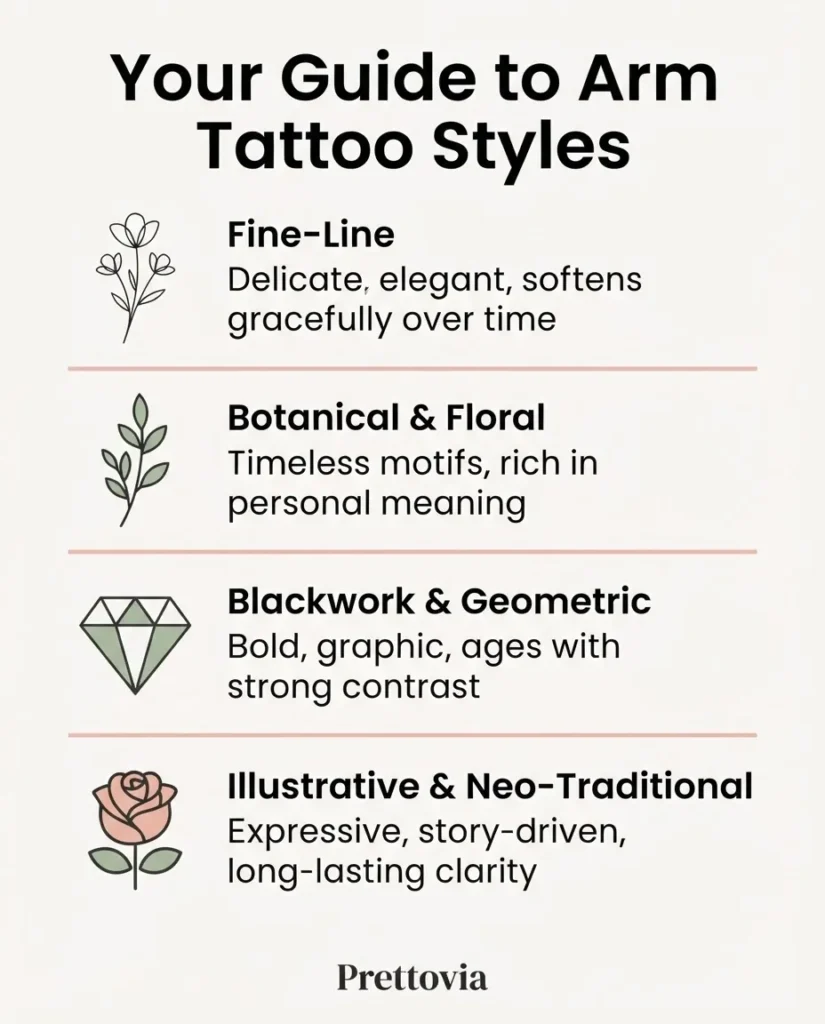
Here is an honest look at the styles I see most often on arms, what makes each one beautiful, and what you need to know before committing.
Fine-Line and Minimalist
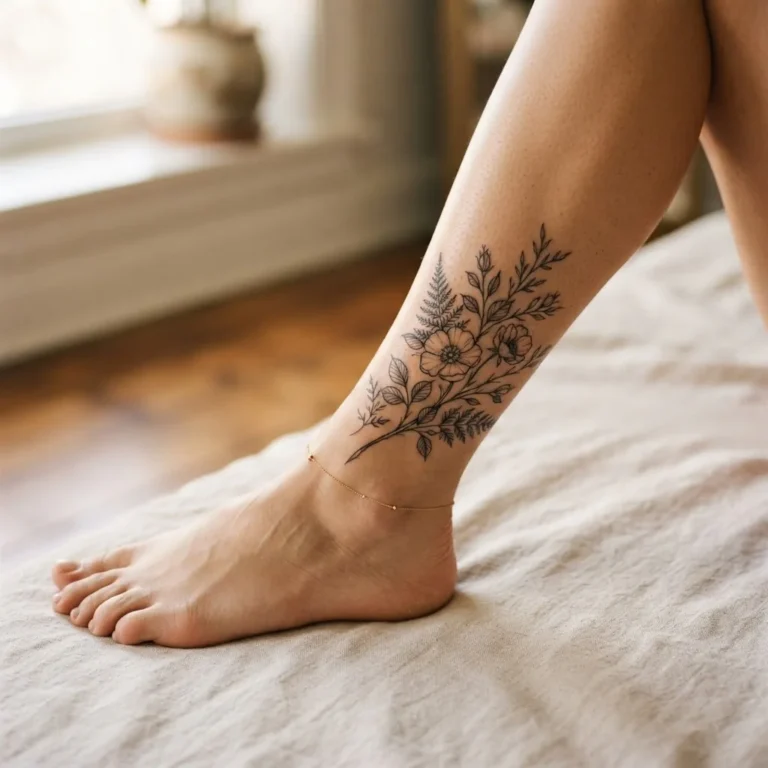
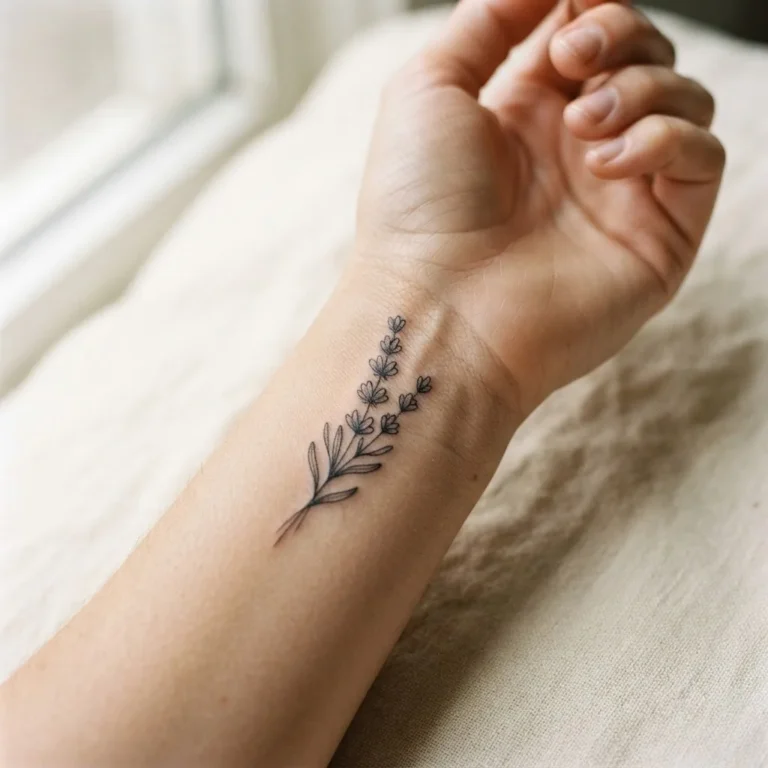
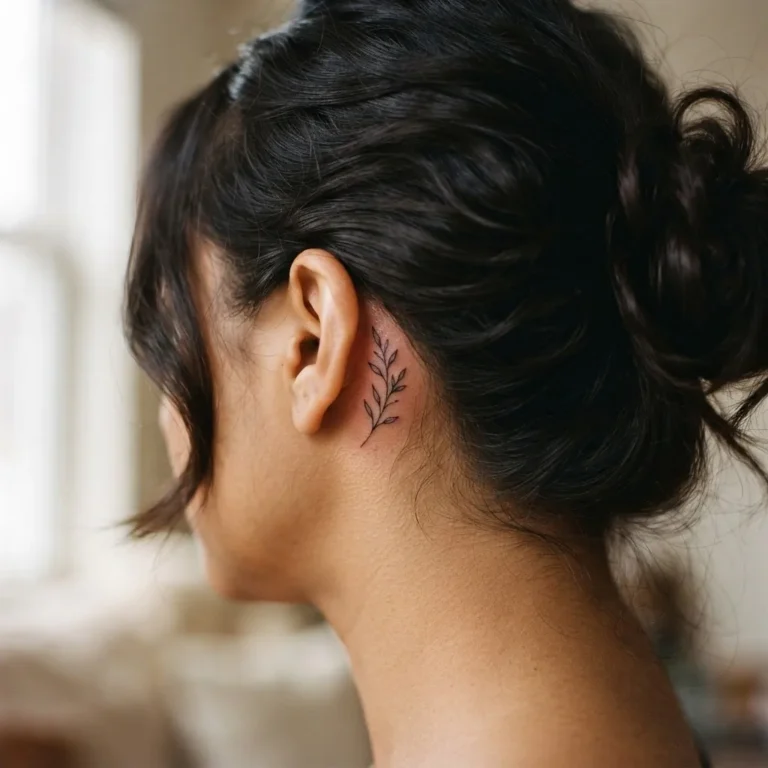
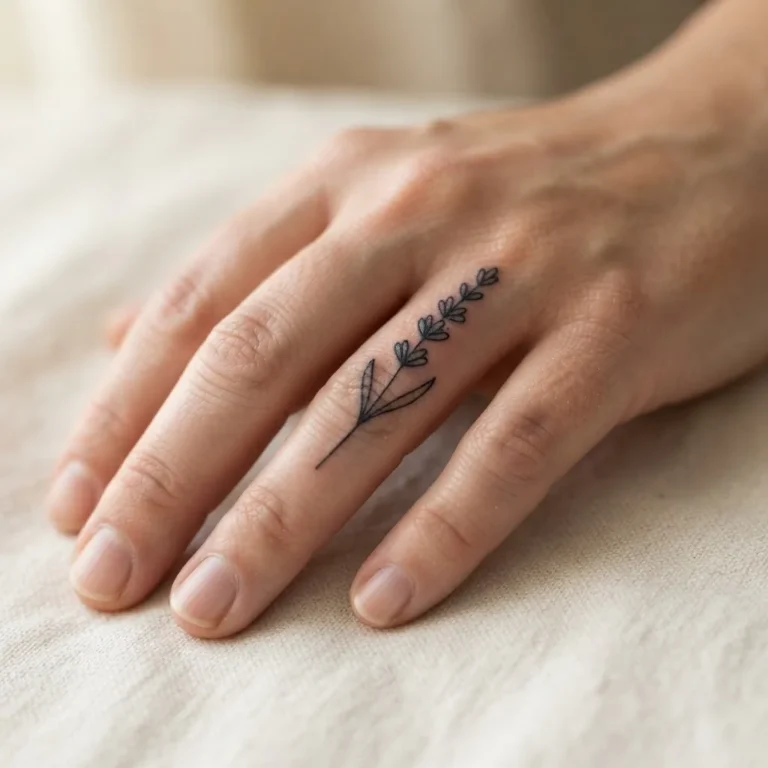
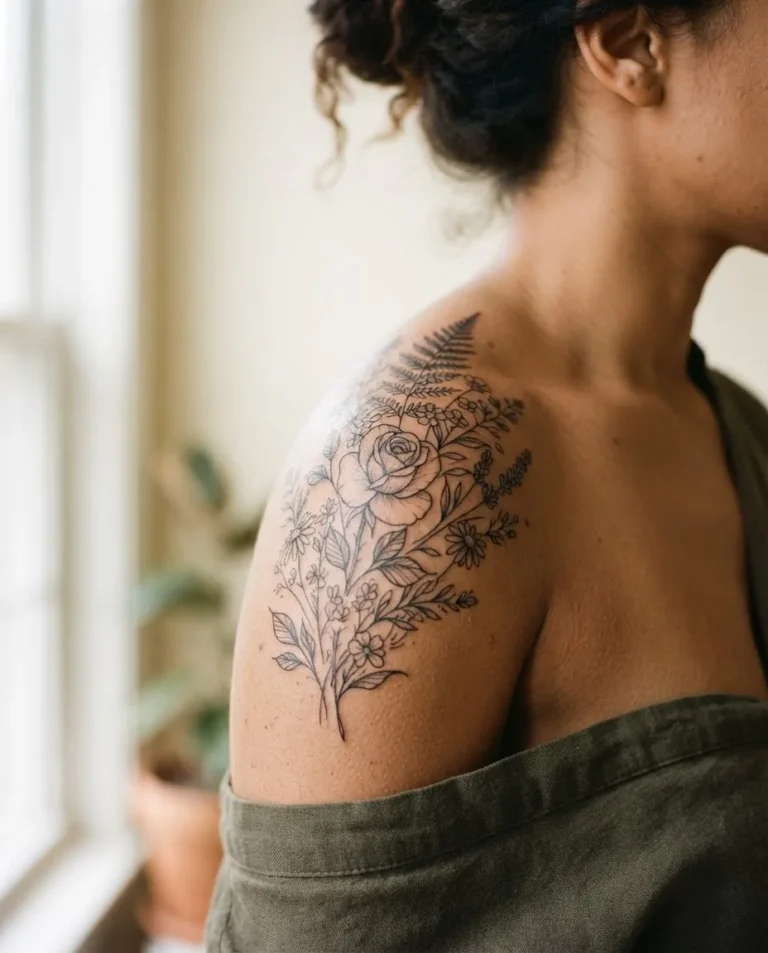
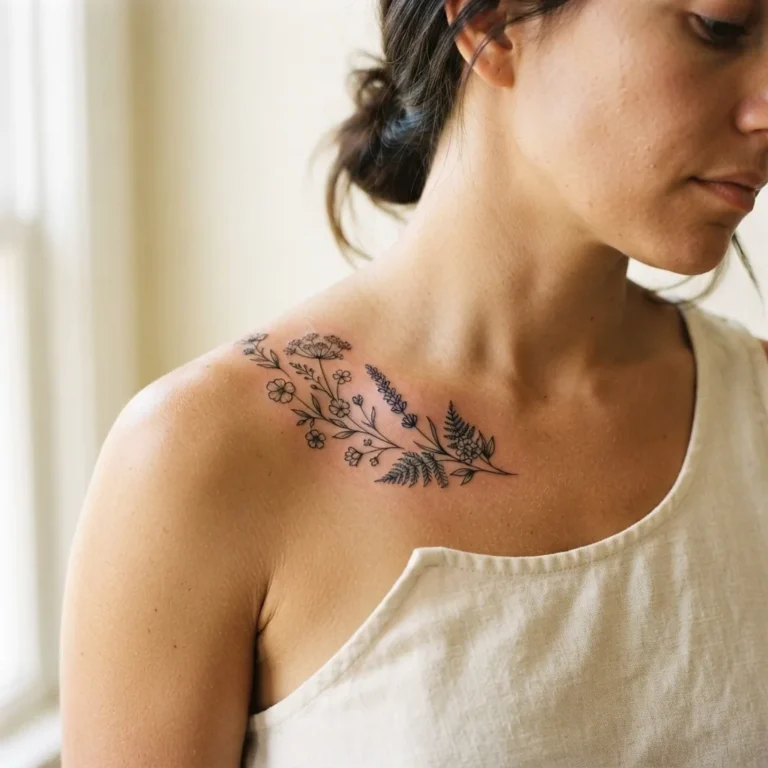
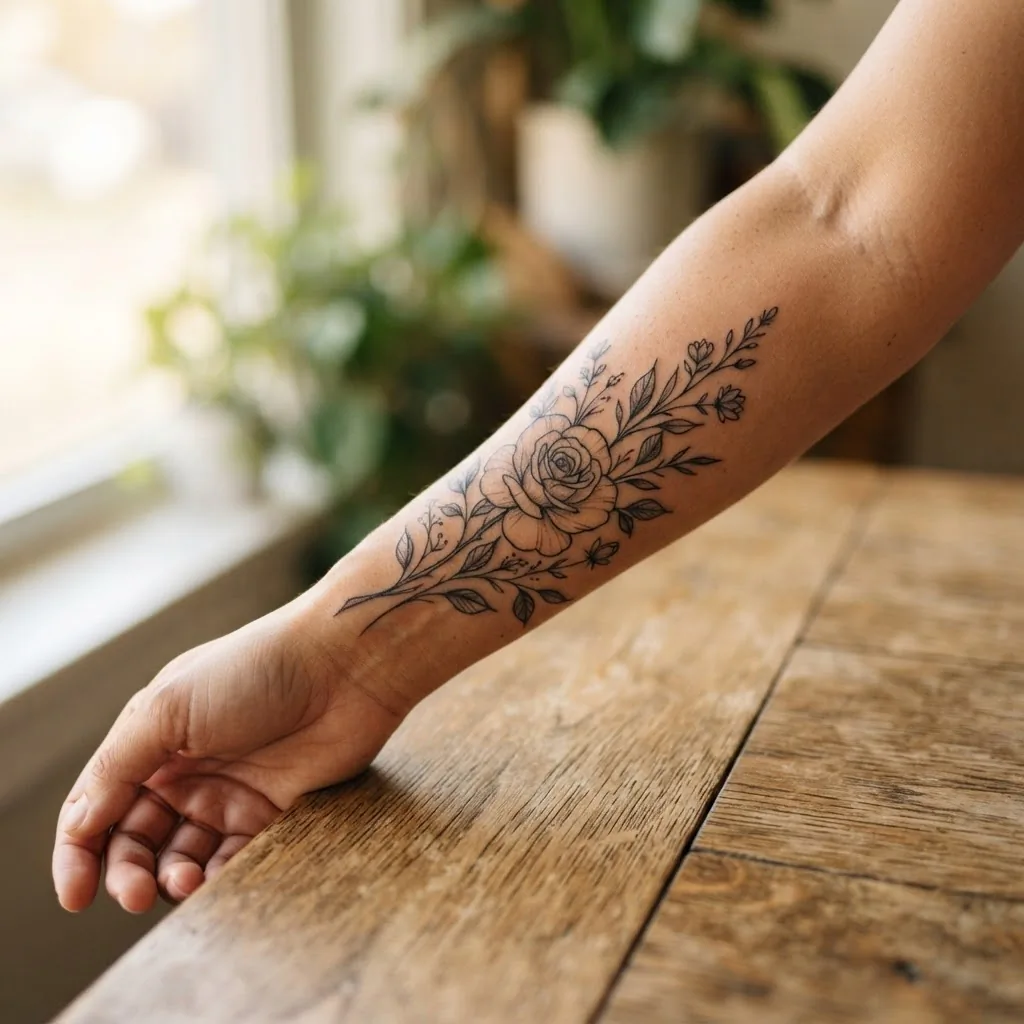
Fine-line tattooing is having an extended moment, and for good reason. These tattoos use very thin, precise lines to create designs that feel delicate, elegant, and almost drawn-on. Think a single rose rendered in clean lines, a botanical stem with tiny leaves, a minimalist moon phase, or a simple meaningful word in a refined script. On the forearm especially, fine-line work looks genuinely stunning.
The honest conversation about fine-line tattoos, though, is about how they age. Very thin single-needle lines will naturally soften over the years. This is not a defect. It is simply how the style evolves on skin that is a living, breathing organ. A well-done fine-line tattoo by a skilled artist, kept out of the sun and moisturized consistently, can hold its essential form beautifully for years. The risk comes from going too thin, too small, or choosing an artist who is not truly experienced in this specific technique. When you are researching artists for fine-line work, look specifically at healed photos in their portfolio, not just fresh tattoos. Fresh ink always looks sharp. What you want to know is how their work looks after it has settled.
Botanical and Floral
Floral and botanical designs are perennially the most popular style for arm tattoos among women, and I think they will stay that way because they offer so much room for personal meaning. Flowers have carried symbolic language for centuries. A rose can represent love, passion, or a new beginning. A lotus speaks to resilience and transformation, to rising from difficult circumstances. Peonies are associated with prosperity and good fortune in many traditions. Wildflowers and botanical vines carry ideas of growth, naturalness, and connection to something bigger. If you want to explore the deeper symbolism behind specific blooms before you commit to a design, Inked Magazine’s A-Z flower tattoo symbolism guide is a genuinely useful resource to bookmark.
Botanical tattoos also adapt across styles beautifully. You can have your floral work done in fine-line, in bold blackwork, in neo-traditional with color and shading, or in a loose illustrative style.

The motif stays meaningful while the execution matches your aesthetic.
Illustrative and Neo-Traditional
Illustrative tattoos sit somewhere between fine art and graphic design. They tend to have slightly bolder lines than fine-line work, more visual weight, and often incorporate elements of storytelling or personal imagery. Neo-traditional takes that further, using bold outlines, rich color palettes, and stylized shapes rooted in traditional tattoo art but modernized. These styles age particularly well on the arm because the lines have enough weight to stay crisp over time, and the color tends to hold with proper sun care.
Blackwork and Geometric
Bold blackwork, which uses solid black ink in strong patterns, shapes, and graphic imagery, is striking on the arm. Geometric designs, mandalas, dotwork, and architectural line patterns all fall into this category. If you are drawn to something structured and graphic rather than organic and flowing, this is worth exploring. These styles also tend to be very legible even as they age, because solid black is the most stable of inks on skin.
Script and Lettering
A word, a phrase, a date, a name. Script tattoos on the forearm are one of the most personally meaningful choices people make, and the arm is a classic home for them. The key here is font choice and spacing. Lettering that is too small or too tightly spaced can become difficult to read as the skin changes over time. A skilled lettering artist will know how to space and size a script piece so it stays legible for decades.
Where on Your Arm: Placement, Pain, and Practicality
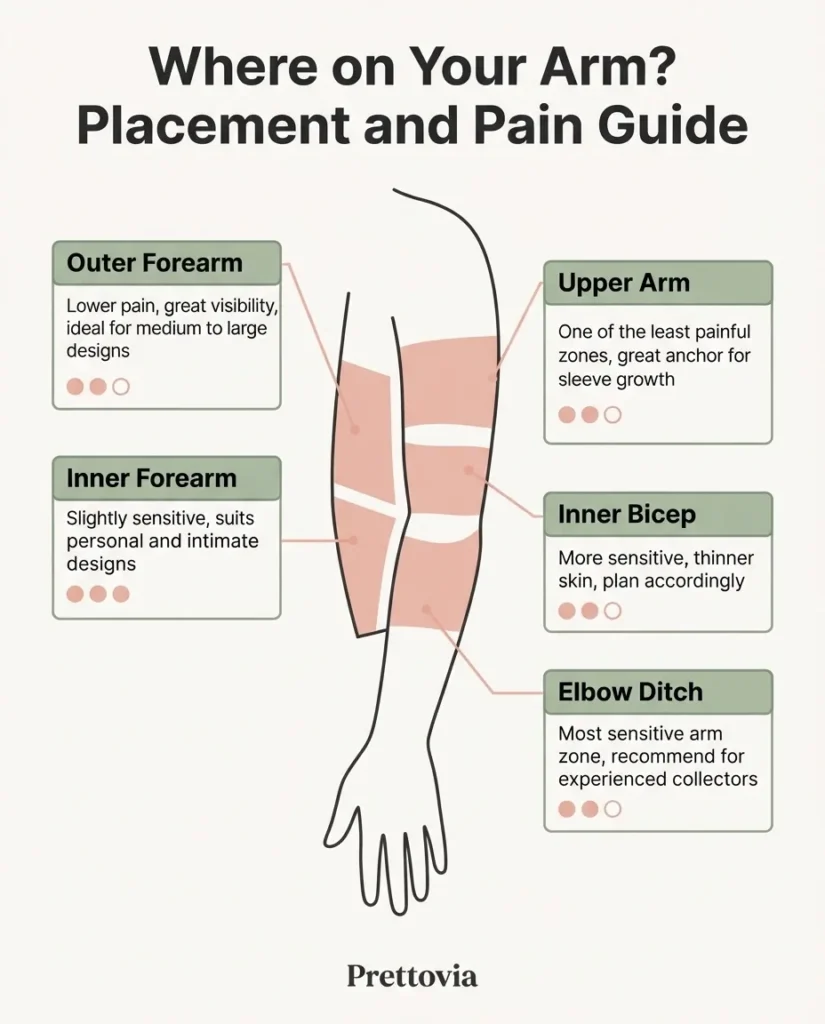
The arm gives you several distinct zones to work with, and each has its own character, pain profile, and suitability for different design types.
Let me walk you through them honestly.
The Outer Forearm
This is one of the most popular placements for a reason. The outer forearm has a good amount of muscle and skin thickness, which makes it one of the more comfortable arm zones for most people. It is also the most visible to you when you hold your arm out, which means you will see and appreciate your tattoo every single day. Designs that run lengthwise, following the forearm’s natural line, look especially cohesive here. Medium to large pieces, full forearm botanicals, flowing scripts, and detailed illustrative work all have room to breathe.
The Inner Forearm
The inner forearm is slightly more sensitive than the outer, because the skin is a little thinner and closer to veins and nerves, but most people describe it as very manageable. It is a popular choice for more personal, intimate designs that you choose to reveal rather than always display. The healing on the inner forearm requires a little extra attention to keep fabric from rubbing on fresh ink, but it is absolutely doable.
The Upper Arm and Bicep
The outer upper arm and bicep are considered among the least painful arm placements by most people. There is more muscle mass here, the skin is thicker, and the area is not near major nerve clusters. Designs on the upper arm have a beautiful way of appearing and disappearing depending on your outfit, which gives this placement a lovely sense of intentionality. Upper arm tattoos are also a great starting point if you ever want to build toward a half sleeve, because they anchor naturally to forearm work.
The Inner Bicep
This one requires an honest conversation. The inner bicep, sometimes called the inner arm or the “armpit adjacent” zone, is consistently cited as one of the more sensitive placements on the entire arm. The skin is thinner, and there are more nerve endings here. That said, many people find it completely manageable, especially with a good artist who works at a steady, comfortable pace. If you are considering this placement, go in with realistic expectations. For a broader look at pain levels across the body that can help you contextualize what to expect, Healthline’s medically reviewed tattoo pain chart is a solid reference.
The Elbow Ditch
The inner elbow crease is one of the most notoriously sensitive spots on the arm, due to very thin skin, a high concentration of nerve endings, and proximity to tendons. Designs placed here often experience some touchup needs during healing because the skin folds and moves constantly. Beautiful results are absolutely possible, but this is a placement I would suggest saving until after you have a few sessions under your belt, so you have a genuine sense of your own tolerance.
A Note on Sizing
One of the most common sources of disappointment I hear about is getting a tattoo that feels smaller on the actual arm than it looked on the reference photo. This is incredibly common, and it is one of the best reasons to have a detailed consultation before booking. A good artist will print a stencil at the actual proposed size and place it on your arm so you can see exactly how it sits on your body. Trust that process. If something looks too small, say so. Sizing is something you can always discuss and adjust before any ink touches skin.
Designs That Carry Real Meaning
One of the things I love most about arm tattoos is how well the placement suits meaningful, personal imagery. The arm is out in the world with you every day. A lot of people want something there that means something, not just something that looked pretty on Pinterest.
Here are some of the design directions I see women gravitating toward, and the kinds of meaning they often carry.
Memorial and tribute pieces are among the most emotionally significant arm tattoos. A parent’s handwriting, a grandmother’s birth flower, a pet’s silhouette, a meaningful date in a quiet font. These designs turn the arm into a place you can carry someone with you.
Personal symbols and spiritual imagery cover a huge range, from celestial elements like crescent moons, stars, and suns, which often represent cycles, intuition, and guidance, to more culturally specific symbols that reflect heritage, faith, or personal philosophy. If a symbol has deep cultural roots outside your own heritage, it is always worth researching its significance respectfully before incorporating it into your design.
Nature and botanical imagery connects people to the natural world in a way that feels timeless. I have never met someone who regretted a well-done botanical tattoo. Whether it is a single wildflower on the inner forearm or a full climbing rose vine wrapping the upper arm, these designs have a staying power both aesthetically and emotionally.
Abstract and geometric patterns carry personal meaning through structure and form rather than figurative imagery. For some people, the meaning is about symmetry, about finding order, about something purely visual that brings them joy every time they see it. That is enough.
Finding the Right Artist for Your Arm Tattoo
This is where I spend the most time when friends text me, and it is where I think most people rush when they should slow down.
Your first step is to get clear on your style. Then search for artists who specialize in exactly that style. An artist who is exceptional at bold neo-traditional work and an artist who specializes in delicate fine-line botanical work are two very different people, and choosing based on name recognition or proximity alone is a recipe for disappointment. Style specialization matters enormously in tattooing.
Instagram and studio websites are your best research tools. Look at portfolios carefully. Do not just look at the most impressive piece on the page. Look at consistency. Look at healed work, specifically. Look for clean lines, smooth shading if the style calls for it, and good composition. A portfolio that shows strong, consistent work across many pieces tells you much more than one or two standout photos.
When you find an artist whose work genuinely excites you, the next step is a consultation. Many artists offer these in person or by email or DM depending on the studio. This is your chance to share your reference images, discuss placement and sizing, ask about the artist’s timeline and process, and get a rough sense of cost. Come prepared with a clear reference folder and a loose description of what you want the design to feel like, not just look like.

Before you book, verify the studio’s credentials. Licensed studios in the US are regulated at the state level, and requirements vary by location, but a reputable studio will be licensed, will have artists with proper bloodborne-pathogen training, and will use sterile, single-use equipment. The CDC’s NIOSH bulletin on safety and health for tattooists explains the professional hygiene standards that govern the industry. Knowing what a properly run studio should look like helps you ask the right questions and recognize when something feels off.
Questions to ask before booking: Is the studio licensed? What sterilization equipment do they use? Does the artist use single-use, disposable needles? Can I see their license or health inspection certificate? These are not rude questions. They are responsible ones, and a good artist will answer them without hesitation.
What to Expect on the Day of Your Appointment
Knowing what is coming makes the whole experience calmer, so let me walk you through it.
You will arrive and your artist will finalize the design based on your consultation. They will print a stencil at the agreed size and placement and press it to your arm so you can see exactly where and how large it will sit. This is the moment to speak up if anything feels off. The stencil washes off. The tattoo does not. If you want it moved, larger, or slightly different, say so now. Your artist wants you to love this.
Once the stencil is set and you have approved it, your artist will prepare the station. Everything that will touch your skin should be sterile and single-use. The session itself for an arm tattoo of medium size will typically run one to three hours, though larger or more detailed pieces can take longer, sometimes requiring multiple sessions.
Pain-wise, keep realistic expectations. Most people describe the outer forearm as feeling like a firm scratch or a constant mild burning sensation. It is intense but very manageable, especially with breathing and the occasional short break. Most people are surprised that it is more doable than they expected.
Eat a solid meal before you go. Bring water and a snack for longer sessions. Wear something that gives your artist easy access to the arm without needing to work around your clothing. And plan for a calm day after. You will want to rest.
After the Needle: Healing and Long-Term Care
Your artist will give you specific aftercare instructions before you leave, and those instructions are your primary guide. Every artist’s preferred aftercare protocol can differ slightly, so follow what they tell you rather than what you read online, including here.
What I can tell you in general terms is that surface healing on an arm tattoo typically takes two to four weeks. The first few days bring redness, tenderness, and some fluid. Then comes the peeling and flaking phase, which is perfectly normal and a sign that the skin is regenerating. Do not pick at it. After the surface heals, the deeper layers continue to settle for up to six months, which is why a tattoo often looks its truest, most settled self a few months after the appointment rather than immediately.
Sun protection is the single most important factor in how well your tattoo looks for years to come.
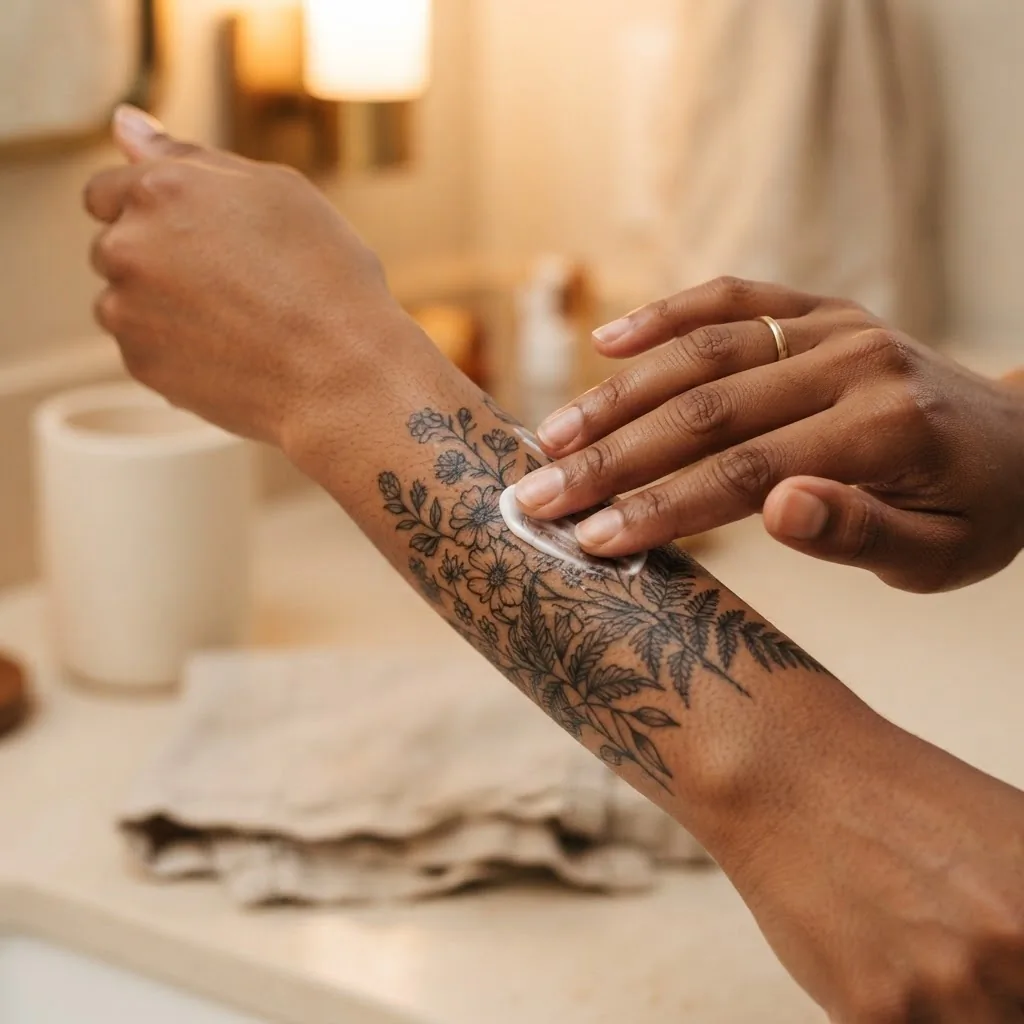
Once it is fully healed, a broad-spectrum SPF applied consistently whenever your arm is exposed will protect the ink from fading far more than any other single habit. The American Academy of Dermatology’s guide to caring for tattooed skin covers this beautifully and is worth a read before your appointment so you know what you are signing up for.
If something seems wrong during healing, including unusual swelling that gets worse instead of better, fever, signs of infection, or a skin reaction that feels disproportionate, contact your artist and see a doctor or dermatologist. Do not wait and hope it resolves. The AAD’s overview of unexpected skin reactions to tattoos is another useful resource for understanding what is normal versus what needs professional attention.
On that note: the inks used in tattooing are regulated by the FDA as cosmetics, and while serious reactions are uncommon, they are real. Red pigments in particular have a longer history of causing allergic reactions in some people. If you have a history of sensitive skin or known pigment allergies, discuss this with your artist before your session and consider mentioning it to your dermatologist. The FDA’s tattoo safety page has clear, straightforward information on ink safety and known risks.
The Question I Get Most: How Do I Know I’ll Still Love It?
This is the question underneath every tattoo decision, and I love that people ask it. It shows they are taking this seriously.
The honest answer is that no one can guarantee the future, but there are things you can do to make loving it long-term much more likely. Choose a design that connects to something real in you, not just something trending. Invest in a skilled artist who specializes in your chosen style. Take the time to sit with your idea before booking. A design that still excites you after two weeks of sitting in your notes app is a design that has staying power.
The arm is one of the placements that tends to age well when it is done well. Choose a style whose aging characteristics you can accept (and fine-line’s softening is a known, beautiful characteristic, not a flaw), place it where it suits your life, and give it the care it needs during healing and beyond.
And remember: the reason most tattoo regret happens is not because someone got a tattoo. It is because someone rushed. You are not rushing. You are here, reading this, making a plan. That already puts you in a very different position.
The dreaming and planning phase matters. Doing it right, with good information and the right artist, is what turns a pretty idea into something you carry proudly for the rest of your life.