Animal Tattoos: How to Find the Design That Fits Your Story
There is a reason animal tattoos are some of the most-pinned, most-searched, and most-beloved designs in the world. Animals carry weight. They carry story. Long before tattooing became a modern art form, people were marking themselves with the creatures they admired most, creatures they felt a kinship with, creatures that represented something they were either holding onto or working toward.
When friends text me before their appointments asking “Riley, what animal should I get?”, I always tell them the same thing: the animal probably already chose you. The question is not which animal. The question is how to turn that pull you feel into something permanent, intentional, and yours in a way you will still love years from now.
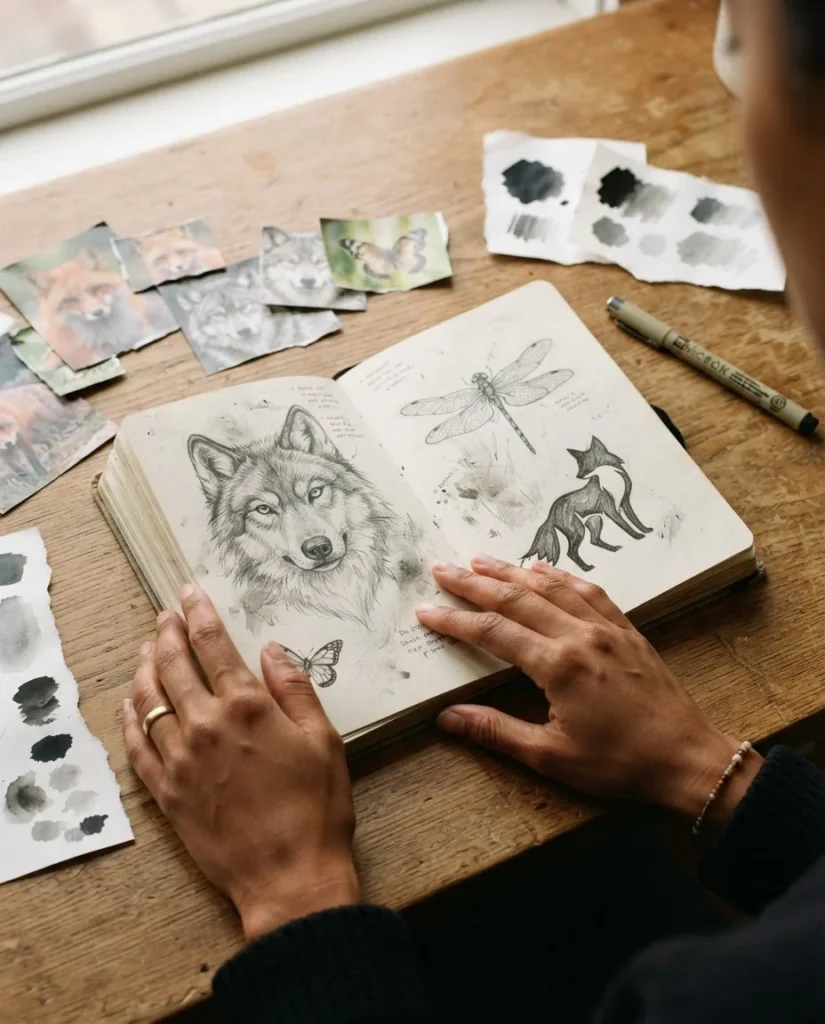
That is exactly what this guide is here to help you figure out.
We are going to walk through ten animal ideas that carry real, layered meaning, talk about how different tattoo styles suit different animals, cover placement and sizing in honest terms, and make sure you know exactly how to find and work with a licensed artist who can bring your vision to life. No rushing. No pressure. Just good information so you can move forward with confidence.
A Quick Note on Why Animal Tattoos Have Lasted Thousands of Years:
This is not a trend. People have been tattooing animals onto their bodies for as long as tattooing has existed. As Smithsonian Magazine’s history of tattoos documents, ancient Siberian nomads were buried with elaborate animal tattoos more than 2,000 years ago, Polynesian traditions used animal imagery to mark identity and status, and Indigenous cultures around the world encoded deep spiritual meaning into animal symbols worn on the body. When you choose an animal tattoo, you are participating in one of the oldest forms of human self-expression there is. That is not a small thing, and it deserves to be treated like one.
The 10 Animal Tattoo Ideas (and What They Really Mean):
1. The Wolf
The wolf is one of the most consistently searched and consistently meaningful animal tattoos, and for good reason. Wolves appear across nearly every cultural tradition that has encountered them: in Norse mythology as forces of raw, untamed power; in many Indigenous North American traditions as teachers and guides; and in modern symbolism as the embodiment of loyalty to your people, fierce independence, and the ability to navigate life’s wilderness without losing yourself.
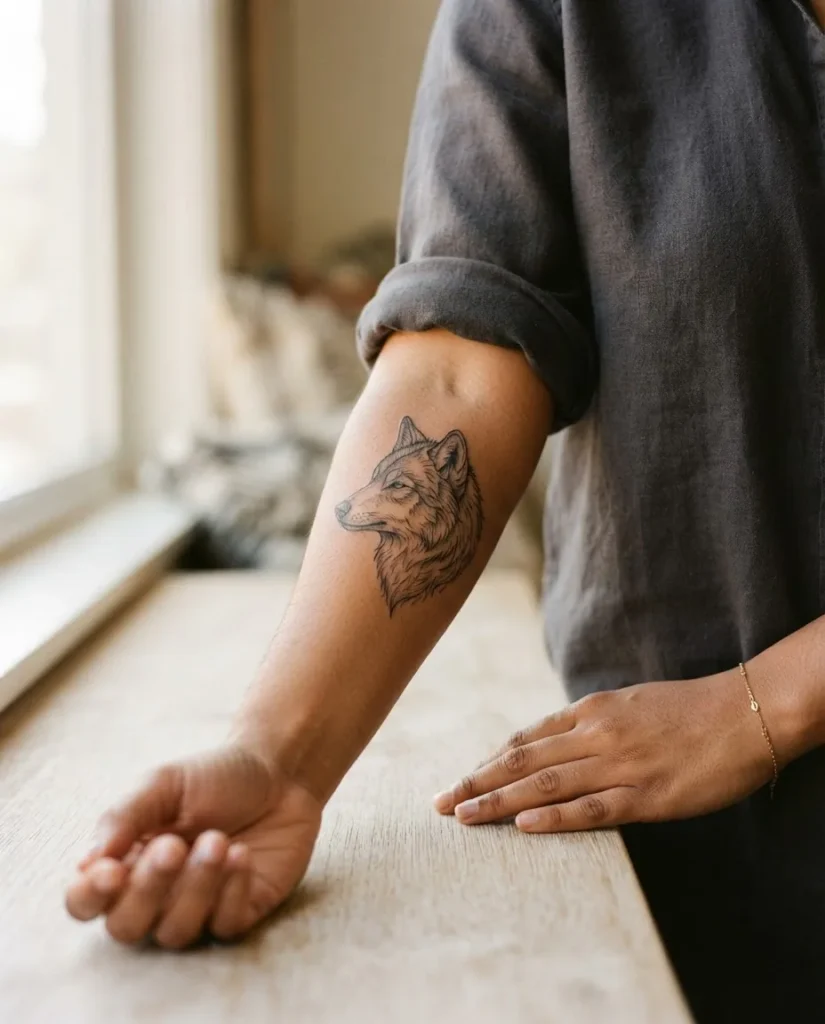
If the wolf pulls at you, ask yourself whether what you love most about them is the solo howl or the pack. That distinction is worth exploring with your artist, because it shapes everything from composition (a lone wolf vs. a pack in a forest scene) to placement to size.
Wolf tattoos work beautifully in realism for portraits that feel alive, in fine-line blackwork for something more skeletal and ethereal, and in neo-traditional style for bold, graphic impact. A skilled realist artist can render wolf fur with almost photographic texture on a larger piece, while a fine-line interpretation gives you something quiet and intimate even at a smaller scale.
2. The Butterfly
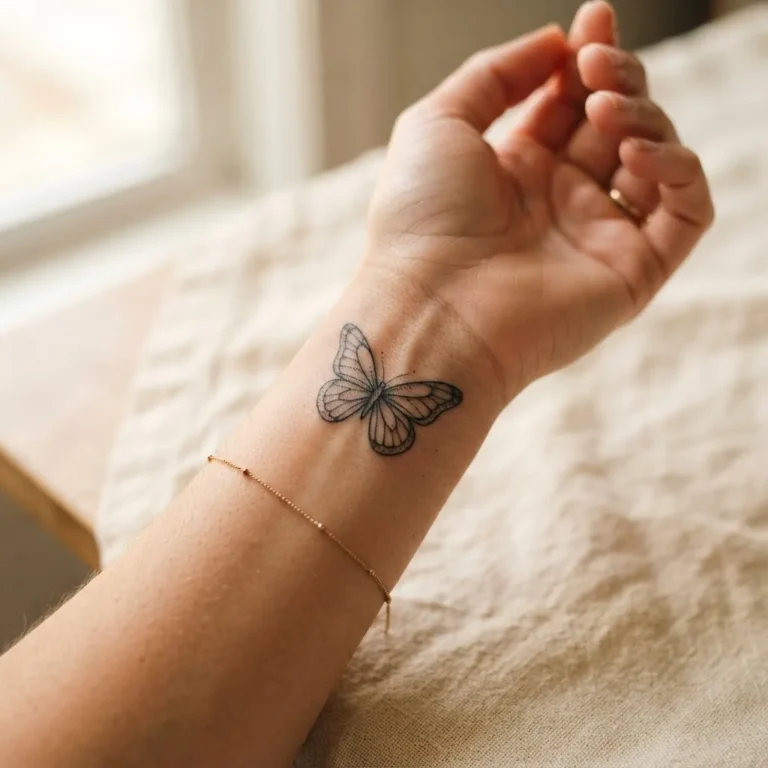
The butterfly is perhaps the most universally understood symbol of transformation, and that universality is exactly why people keep choosing it. No matter how clichéd some people claim it has become, there is a reason: it is true. The metamorphosis from caterpillar to butterfly is a real, biological process that mirrors some of the most profound things humans go through, grief, healing, identity, reinvention.
If you have been through something and come out differently on the other side, a butterfly tattoo is not a cliché. It is a record.
Style options are genuinely exciting here. A hyper-realistic butterfly with wing detail and color graduation is a showstopper on a shoulder blade or upper thigh. A single fine-line butterfly on the inner wrist or collarbone is quiet and elegant. A watercolor butterfly, with ink that bleeds and blooms like paint on wet paper, has been one of the strongest rising trends in the past few years and suits the butterfly’s sense of lightness beautifully.
3. The Lion
Strength, courage, royalty, protection. The lion shows up across Ancient Egyptian iconography, African traditions, Christian symbolism (the lion as a figure of Christ in many interpretations), and modern self-expression as a consistent symbol of power held with dignity. It is not aggressive power. It is settled power, the kind that does not need to shout.
People often choose a lion tattoo during or after a period that required them to be stronger than they thought they could be. That quiet “I made it through” energy lives in a lion piece in a way that lasts.
Placement matters a lot with lions. A lion head portrait reads very differently at different sizes: too small and the detail gets lost, especially in a realistic style. Artists consistently recommend giving a lion portrait enough real estate to breathe, which typically means at least four to five inches. The upper arm, shoulder, thigh, and chest are all natural homes for a lion.
4. The Elephant
Elephants are wisdom made physical. They are the largest land animals, they have complex emotional lives, they mourn their dead, they remember, and they protect their young with fierce maternal energy. Across many Asian and African cultural traditions, the elephant is a symbol of good fortune, memory, family bonds, and the kind of enduring strength that bends but does not break.
If you have a grandmother who held everything together, or if you are someone who carries the weight of the people you love and does it quietly, an elephant tattoo might say something words cannot quite reach.
Because of an elephant’s organic curves and shading opportunities, they translate beautifully into detailed illustrative and neo-traditional styles. Placement options range from the upper arm and forearm to the back and thigh. A word of honest sizing guidance: elephant designs with meaningful detail generally need more space than people initially expect. Your artist will be your best guide here.
5. The Hummingbird
Small, but nothing about what a hummingbird represents is small. The hummingbird is joy, resilience, and adaptability. In many Latin American and Indigenous traditions, hummingbirds are considered messengers from those who have passed, tiny emissaries of love carrying something across the veil.
For someone who has lost a person they love, a hummingbird tattoo carries an intimacy that is hard to articulate but instantly recognizable. For someone who wants to remember that joy is worth chasing and that incredible things can live in small packages, the hummingbird works just as well.
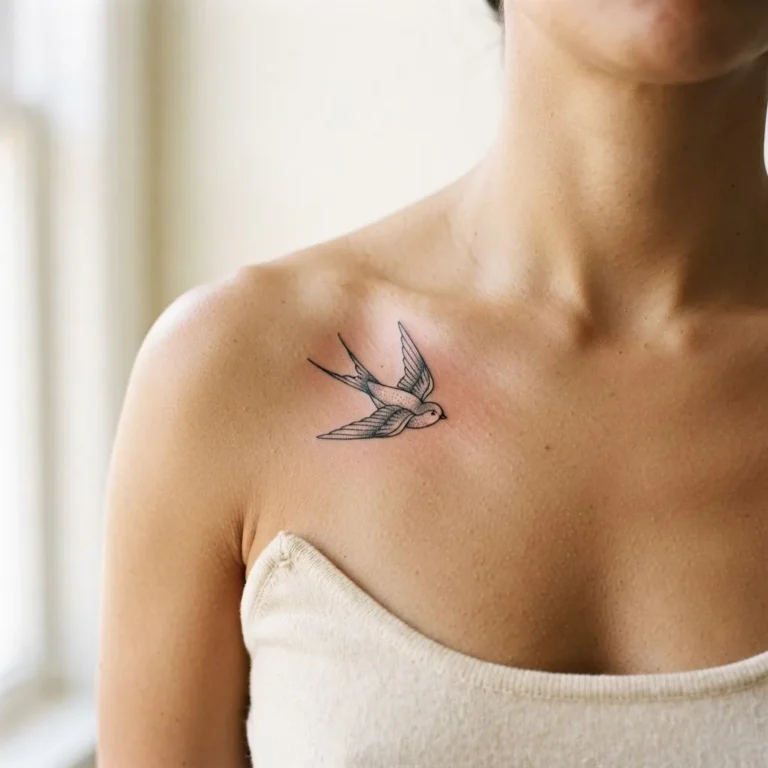
Hummingbirds are among the most style-flexible animals in tattooing. They read beautifully in fine-line color work, in delicate blackwork with stipple shading, and in watercolor with a burst of petal and wing color. They work at smaller sizes than most animals because of their clean silhouette, making them one of the better options for placements like the inner wrist, collarbone, ankle, or behind the ear.
6. The Fox
Clever, adaptable, intuitive, and a little bit wild. The fox in symbolism across European and East Asian traditions tends to carry the same core qualities: intelligence, cunning, the ability to navigate tricky terrain, and a kind of magnetic charisma. Japanese kitsune (fox spirit) traditions add layers of shape-shifting, wisdom, and protective energy.
If you are someone who trusts your instincts and moves through the world with more grace than people expect, the fox might already be your spirit animal whether or not you have thought of it in those terms.
In terms of style, foxes are wonderful in fine-line work (the pointed muzzle and flowing tail translate to clean line-art beautifully) and equally strong in neo-traditional with bold outlines and rich amber tones. Medium-sized placements on the forearm, upper arm, calf, and ribcage all work well depending on how much detail you want.
7. The Snake or Serpent
No animal in tattoo history carries more complex layered symbolism than the snake, and that complexity is part of its power. In ancient Greek mythology, the serpent wrapping the Rod of Asclepius became the enduring symbol of medicine and healing. In many Indigenous and Eastern traditions, snakes represent transformation, rebirth (they literally shed their skin), and cycles of renewal. In other traditions, they carry warnings, temptation, or the knowledge that comes from difficult truths.
The snake is a tattoo for someone who is comfortable with complexity. It suits people who have shed something they no longer needed, or who refuse to be reduced to a simple story.
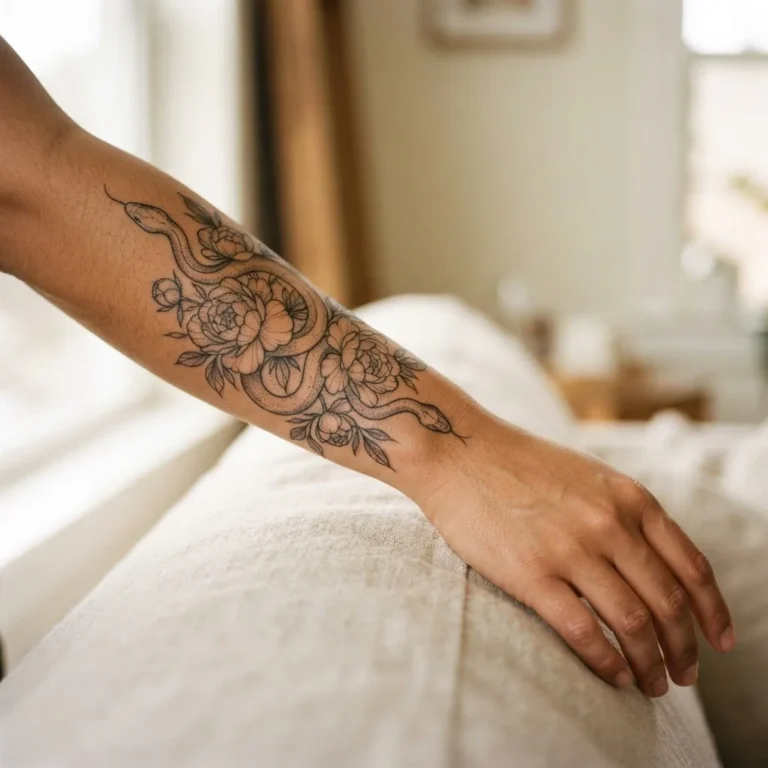
Snake tattoos are extraordinarily versatile in terms of placement because they follow the body’s natural curves. They coil beautifully around an arm, wrap along the forearm or calf, or travel down a spine. Fine-line snakes with minimal shading have become especially popular in the past couple of years, and geometric or ornamental snake designs offer a striking, contemporary take.
8. The Owl
Owls see what others cannot see. In Greek mythology, the owl was the companion of Athena, goddess of wisdom, and virtually every culture that has lived alongside owls has assigned them a version of the same meaning: knowledge, mystery, the ability to navigate darkness without losing your way.
If you are the person in your circle who sees past the surface of things, or if you have spent time living through something that required you to find your footing in difficult terrain, an owl tattoo says something true.
Owls are one of the most artistically rewarding animals for a tattoo artist because of the feather texture and the drama of those eyes. Realistic owls with full feather detail can be genuinely breathtaking pieces, particularly on the upper arm or back. Geometric owls built from clean angles and negative space are a striking alternative for someone who wants something more modern. Give an owl enough space to let those eyes read clearly. Your artist can advise on the minimum size for the detail level you want.
9. The Bear
Raw strength, fierce protection, the deep pull of stillness and introspection. Bears hibernate, and in many traditions that withdrawal is not weakness but wisdom, the ability to rest, to restore, to emerge ready. In many Indigenous North American traditions, the bear holds sacred status as a healer and protector.
If you are someone who protects fiercely but also knows how to go quiet and tend to yourself, the bear might be your animal. Mother bear energy, in particular, resonates deeply with people who carry the protection of others as a core part of who they are.
Bears work beautifully in realism with rich, textured fur, in traditional blackwork with bold outlines, and in illustrative styles with a slightly storybook quality that softens the power without diminishing it. Upper arm, shoulder, back, and thigh are all natural placements for a bear that has room to look settled and grounded.
10. The Dragonfly
The dragonfly is one of the most ancient creatures on earth, predating the dinosaurs, and that feels appropriate for an animal associated with transformation, adaptability, and the kind of perspective that only comes from seeing life from above. In many cultures, the dragonfly symbolizes the ability to see past illusion, to find the lightness and grace in a world that can feel heavy.
For someone who has learned to hold both grief and joy at the same time, or who has found a new way of seeing something they thought would break them, the dragonfly carries that meaning quietly and beautifully.
In terms of style, dragonflies are made for delicate fine-line work and watercolor. Their wings have a translucency that artists can suggest beautifully through negative space, fine detail work, or light color wash. They suit smaller placements like the wrist, inner arm, ankle, and shoulder blade, and they are one of the animals where a smaller size genuinely works because the silhouette is so immediately recognizable.
How Different Tattoo Styles Suit Different Animals:
This is the part most articles skip, and it is genuinely one of the most important decisions you will make. The same animal can look wildly different depending on the style, and not every style ages equally well on every body.
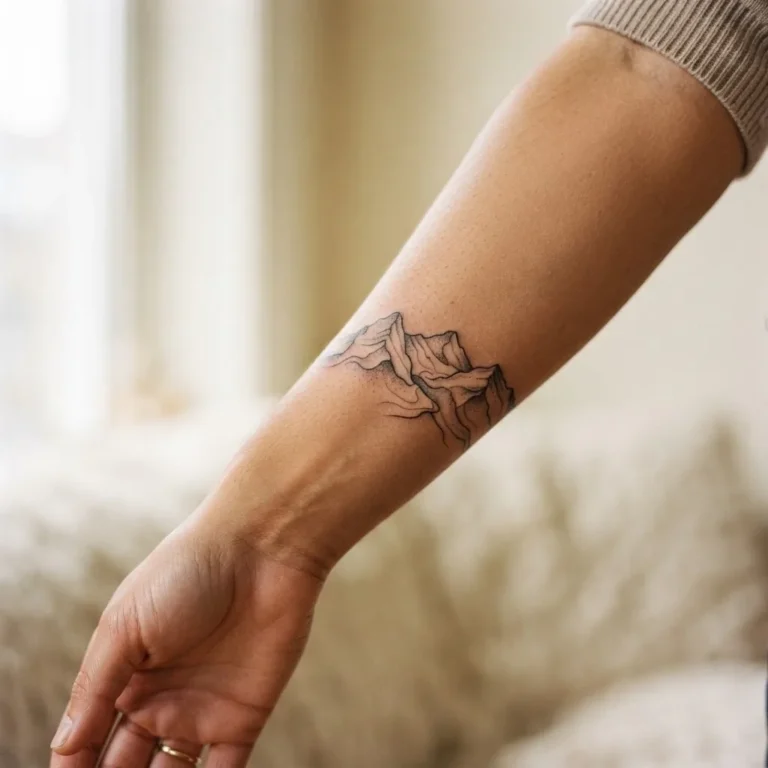
Fine-line and micro tattoos are everywhere right now, and for good reason. They are quiet, elegant, and often feel more personal than bold traditional pieces. The honest caveat is that fine-line work, especially in small formats, can soften and spread over time more than bolder styles do. This is not a reason to avoid them, it is a reason to size up slightly from what you think you want and to work with an artist who specializes in fine-line work specifically. Animals with clean, recognizable silhouettes (hummingbird, dragonfly, fox, butterfly) tend to hold up better in fine-line than highly detailed animals like bears or lions, which need more space to keep their detail readable as the years go on.
Realism is the style for portrait-level animal detail. If you want your wolf to look like a photograph, your owl to have feathers you can almost feel, or your lion to carry genuine gravitas, realism requires a skilled specialist and it requires size. Rushed realism or under-sized realism fades into a blur. Give it room.
Watercolor tattoos have surged in the past few years, and they suit animals beautifully because of the sense of movement and life they carry. The honest note: watercolor-only tattoos without strong black linework underneath tend to fade faster than other styles. A good artist who works in watercolor will often recommend anchoring the piece in some linework, and that is a conversation worth having openly during your consultation.
Neo-traditional and illustrative styles split the difference between old-school bold outlines and painterly detail.
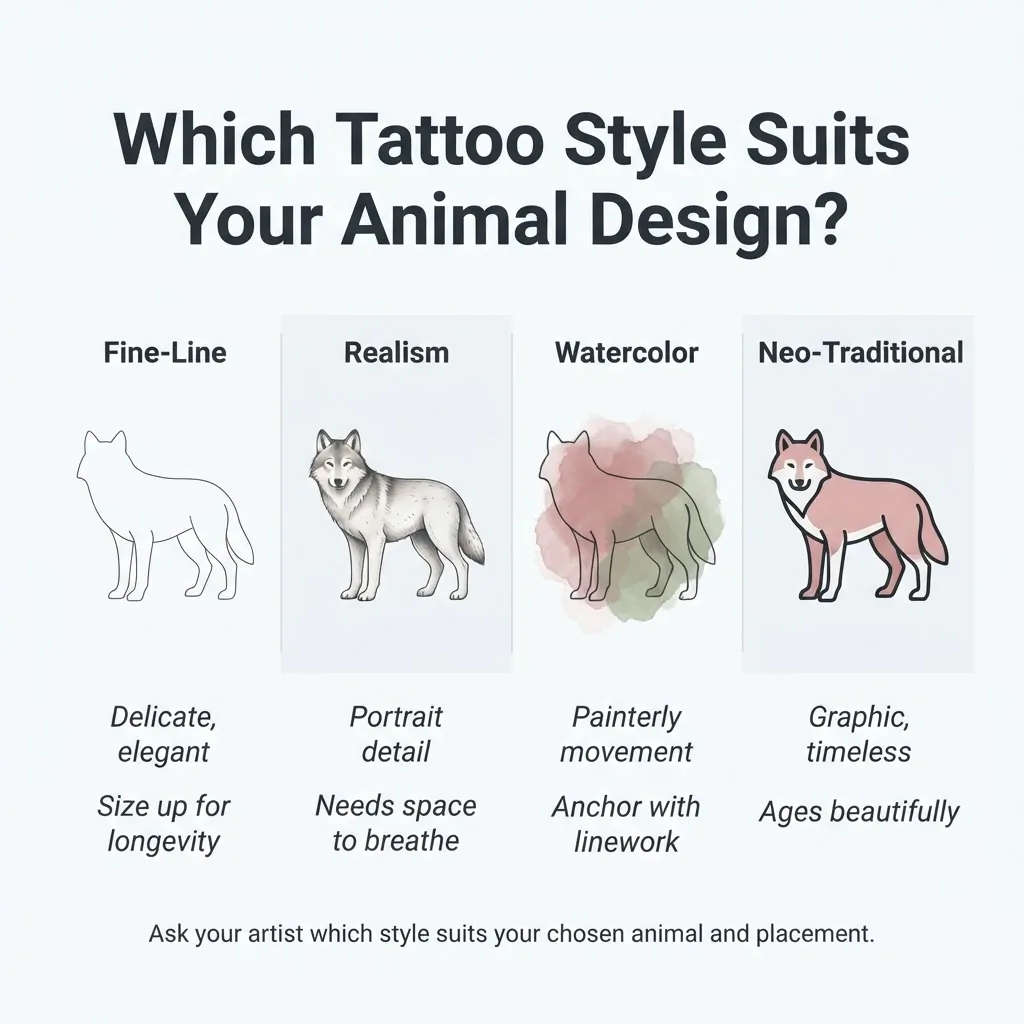
They age well, they read clearly at medium sizes, and they give animals a graphic, slightly storybook quality that feels timeless without being dated.
Placement and Sizing: The Honest Conversation:
Placement is not just about where a tattoo looks good. It is about visibility, comfort during healing, and how an animal’s shape works with your body’s natural lines. Here is honest general guidance, though your licensed artist is always the best person to consult for your specific design and body.
Smaller, simpler animals (hummingbirds, dragonflies, fine-line butterflies) suit smaller placements like the wrist, inner arm, ankle, collarbone, and behind the ear. These areas have their own pain considerations: the inner wrist and ankle tend to be more sensitive than flatter, meatier areas like the outer forearm or thigh, generally speaking. Everyone’s pain tolerance is genuinely different, and your artist has heard every description of pain imaginable, so do not be afraid to be honest about your nerves.
The ribcage is one of the most requested placements for animal tattoos because of how beautifully a piece can follow the body’s curves there. It is also one of the more intense spots in terms of sensation, because the skin is thin and the bone is close. If your heart is set on a rib tattoo and it is your first, talk to your artist about session length and breaks, because that is a completely valid conversation to have.
The outer forearm, upper arm, thigh, shoulder blade, and calf are consistently among the more comfortable placements for larger, more detailed animal pieces.
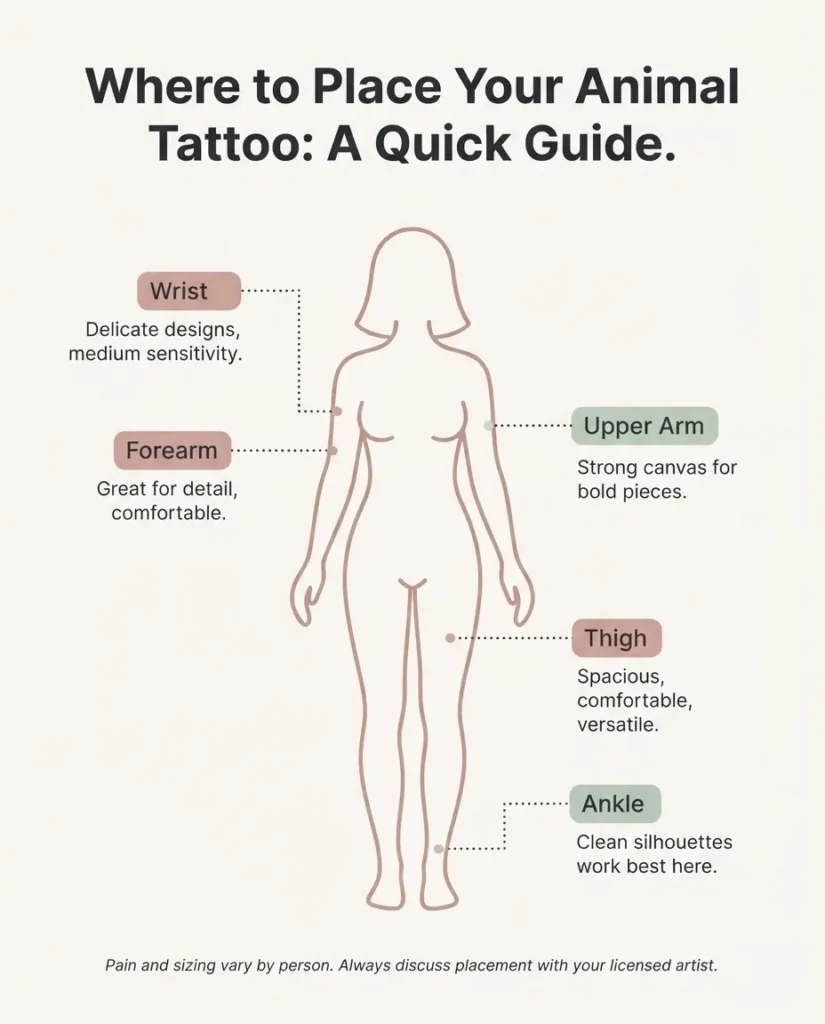
They offer real estate for detail, they tend to have more muscle and skin cushion, and they are accessible enough that your artist can work efficiently.
A Note on Color, Ink, and What to Know Before You Sit Down:
If you are planning a colorful animal tattoo, especially one with red, orange, or yellow tones, it is worth knowing that some pigments carry a higher rate of skin reactions than others. The American Academy of Dermatology notes that red ink in particular has a higher rate of allergic and inflammatory reactions than most other colors, though reactions can technically happen with any pigment. This is not a reason to avoid color, millions of people have vibrant, problem-free colored tattoos. It is a reason to ask your artist about the brands and pigments they use, and to let them know if you have sensitive skin or a history of skin reactions. The FDA’s consumer guidance on tattoo ink safety is also worth a quick read before your appointment, not because it should scare you, but because being informed is always the better position to start from.
How to Find the Right Licensed Artist for Your Animal Tattoo:
This part matters as much as the design, maybe more. The right artist is not just someone who can draw well in general. It is someone who specializes in the style you want, works in a clean and properly licensed studio, communicates well during consultation, and makes you feel informed rather than pressured.
Start with style. If you want fine-line, look for an artist whose portfolio is full of fine-line work. If you want realism, find someone whose portfolio is full of healed realism pieces, not just fresh-healed photos, but pieces that are a year or two old and still hold their detail. Instagram and artist-specific websites are your research playground here. Most working artists post their portfolios publicly. Look for consistency across their work, not just one standout piece.
When you find artists whose work resonates with you, look up their studio. Licensed tattoo studios are regulated by state and local health departments in the US, and a reputable studio will be happy to answer questions about their licensing, sterilization practices, and hygiene standards. Standards vary by state, so your best resource is your local or state health department, which typically publishes studio inspection records and licensing requirements. If a studio feels evasive or dismissive when you ask basic hygiene questions, trust that feeling and keep looking.
Book a consultation before you book your appointment.
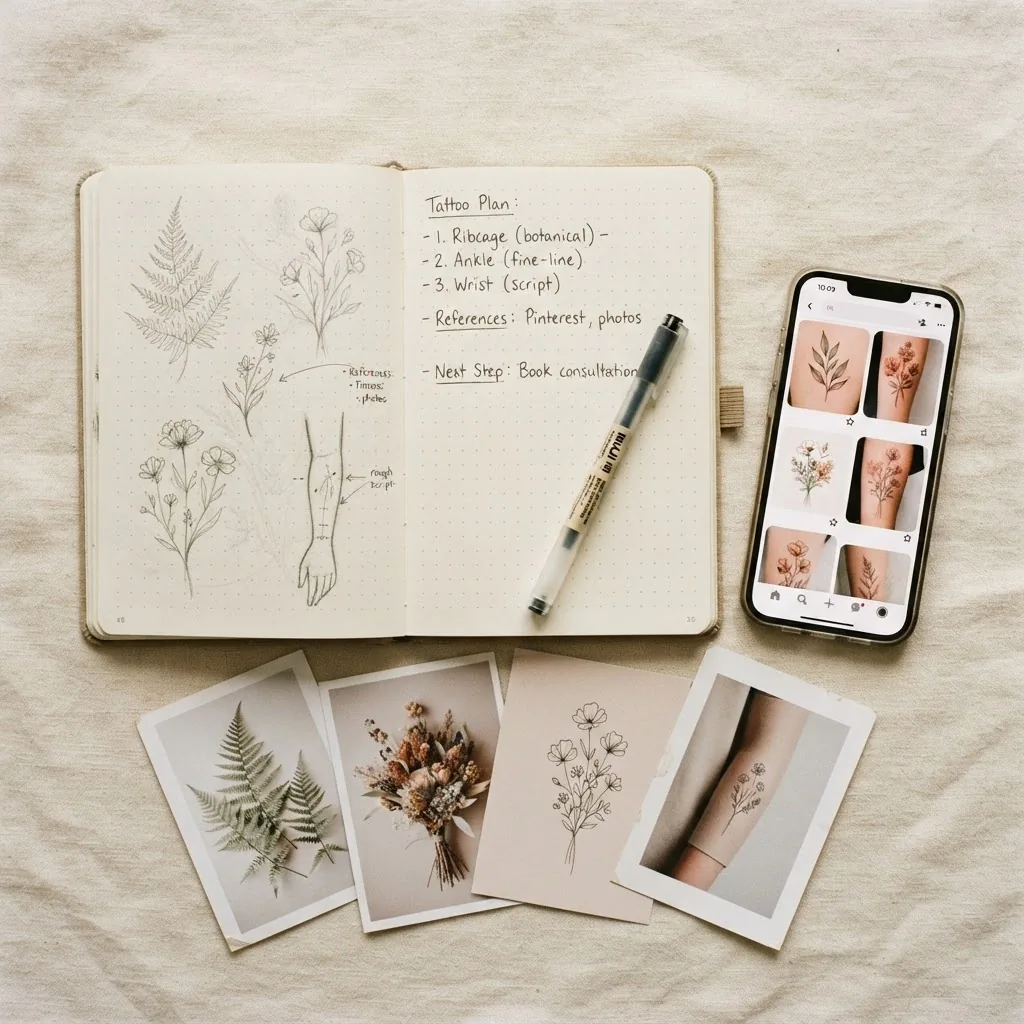
A good consultation is where you bring your reference images, talk through size and placement, ask about the artist’s approach to the style, and get honest feedback on what will work well and what might need adjusting. A good artist will never make you feel silly for asking questions. They will meet your preparation with their own.
What to Bring to Your Consultation:
Come with reference images, plural. Bring the animal, bring examples of the style you love, bring examples of the placement on a body similar to yours if you can find them, and bring any specific meaning or story you want the design to hold. You do not need to explain all of it to the artist unless you want to, but knowing your own “why” will help you make better decisions when the artist offers suggestions.
Write down your questions in advance.
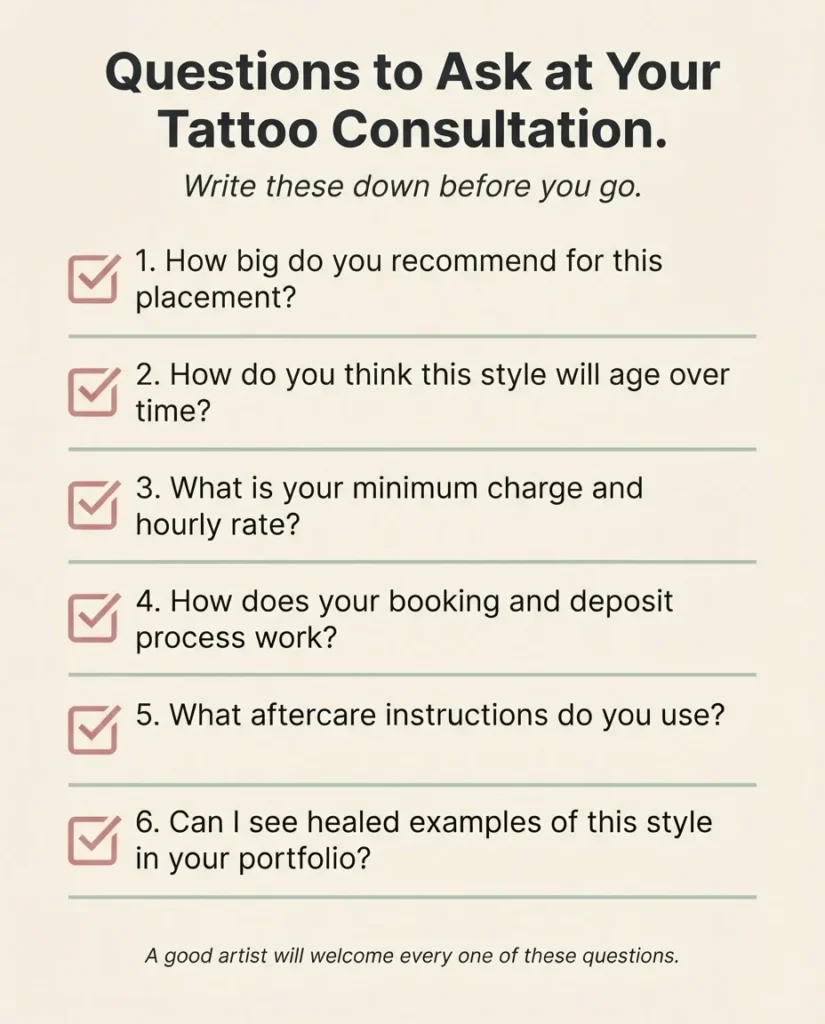
The ones I hear most from friends before their appointments: How big would you recommend this design for this placement? How do you think this style will age? What is your minimum charge? What is the booking process and deposit? What aftercare instructions do you use? All of these are completely reasonable to ask.
The Basics of What to Expect During Healing:
Once you are out of the studio, the healing process begins, and it is worth knowing generally what to expect so nothing surprises or worries you unnecessarily. As Healthline’s guide to the tattoo healing process explains, the outer layer of skin typically looks healed within two to three weeks, but full healing of the deeper skin layers can take up to several months. In the first few days, some redness, swelling, and sensitivity is normal. Some peeling and light flaking in the first two weeks is also normal.
Your artist will give you their specific aftercare instructions before you leave the studio, and those instructions are your primary guide. Follow them. General aftercare typically involves keeping the area clean, applying a gentle unscented moisturizer as directed, avoiding soaking in water or direct sun exposure during healing, and resisting the urge to pick or scratch at any peeling skin. For more detailed general guidance, the American Academy of Dermatology’s tattooed skin care page is a trustworthy resource. If you notice anything that concerns you during healing such as spreading redness, unusual discharge, or signs of an allergic reaction, contact your artist and, if needed, a doctor or dermatologist. Not every skin response is a crisis, but you should always feel comfortable reaching out to a medical professional if something does not look right.
A Word on Cultural Meaning and Doing Your Research:
Some animal symbols carry deep cultural weight that goes beyond general symbolism. If you are drawn to an animal that holds particular significance within a specific Indigenous or cultural tradition that is not your own, for example, certain animal spirit guides in Indigenous North American traditions or protective animals in specific religious contexts, it is worth doing genuine research before you commit. This is not about restricting your choices. It is about approaching something meaningful with the respect it deserves. The Illustration History essay on tattooing and cultural appropriation offers a thoughtful, nuanced exploration of how these traditions intersect with modern tattooing. Reading something like that is not a barrier to getting the tattoo you want. It is part of being an informed, thoughtful person who wears their ink with intention.
The Planning Part Nobody Talks About: Letting Yourself Take Time:
One thing I say to every friend who texts me before booking is this: if you have to convince yourself into a design, give it more time. The animal tattoos I have seen people love for years are the ones where the pull was quiet and persistent, not the ones chosen in an afternoon. There is no deadline. A good licensed artist’s books are worth waiting for. A design worth living with forever is worth sitting with for a few more months.
That does not mean you have to be 100 percent certain about every detail before you book a consultation. A consultation is exactly the right place to work through the details. What I am talking about is the core of it: the animal, the meaning, the feeling you want to carry with you. If that part feels true and settled when you close your eyes, you are ready to take the next step. Everything else is refinement.
Save your references, build your vision, and then find the right licensed artist to help you bring it to life. That is the whole process. It really can be that steady and that good.