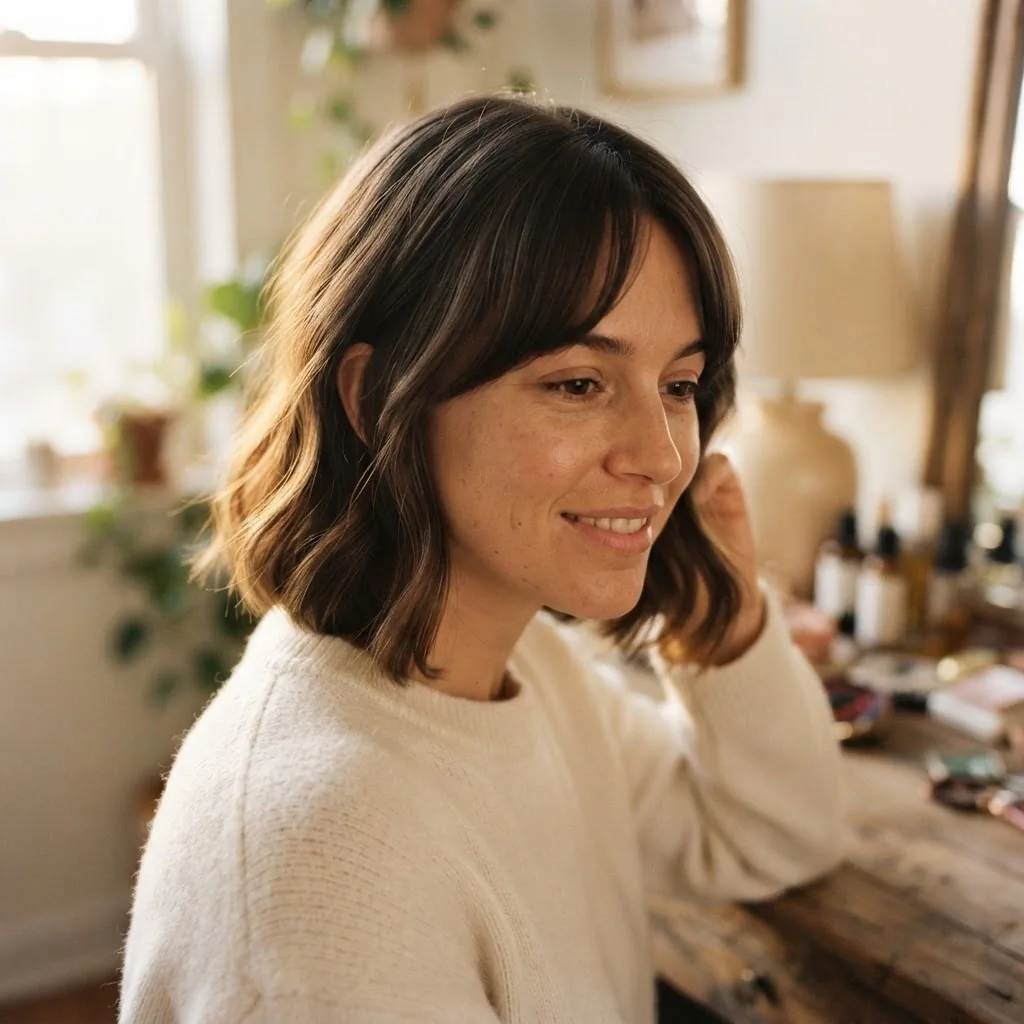
Okay, real talk. You have spent a solid amount of time on Pinterest saving short haircut ideas, and somewhere between your 12th bixie pin and your 20th French bob your brain started whispering, “but what if it looks awful on me?”
I hear you. I have been that person. Back in my salon assistant days in Austin, I watched so many women walk in clutching a Pinterest screenshot, completely fired up, then quietly spiral into second-guessing the moment the stylist picked up the shears. And I was not immune either. My own hair journey started with a box-dye disaster in a dorm bathroom that turned my ends a truly memorable shade of orange, so I have a very personal relationship with the “what if I ruin it” spiral.
Here is what I want you to know before we get into the actual looks: short hair is not one-size-fits-all, but it is also not as risky as your brain is telling you. The key is knowing which cut fits your texture, your face shape, your styling habits, and honestly your personality. That is exactly what this guide is for. We are going to go through 30 short haircut ideas that are genuinely trending right now, and I am going to break down which ones work for what hair type, what the maintenance commitment actually looks like, and what to say to your stylist so you walk out with what you actually wanted.
No gatekeeping. No “you need a certain face shape.” Just real, practical guidance so you can make a confident choice.
What Is Actually Trending in Short Hair Right Now:
Before we dig into the full list, it helps to know the landscape. If you have been on Pinterest lately, you have definitely seen these names floating around. According to Who What Wear’s breakdown of the biggest short hair trends, the cuts dominating right now are the bixie, the whisper pixie, the French bob, the luxe bob, the flipped bob, and the curly tapered cut. I would add the short shag and the textured wolf cut to that list because they are all over every aesthetic board I follow.
What ties all of them together is a move away from the super-severe, high-maintenance precision cuts that defined earlier years. Right now the vibe is softer, lived-in, textured, and a little undone. That is genuinely great news for beginners because “a little undone” is so much more forgiving to style at home than a razor-sharp blunt line.
The 30 Short Haircut Ideas, Broken Down:
Rather than throwing 30 names at you in a list with no context, I am grouping these by cut family so you can zero in on the category that makes sense for your hair and then explore the variations within it. Think of it like a menu, not a ranked list.
The Bob Family (Ideas 1 to 10):
The bob is the grandmother of all short haircut ideas and she is nowhere near retirement. What makes the bob so enduring is its flexibility. It can sit at the chin, the jaw, or just above the collarbone, and the hem can be blunt, rounded, textured, or stacked. Here is the breakdown.
1. The French Bob sits at the cheekbone to chin level with a slightly rounded or blunt hem. It is the Pinterest darling of the quiet-luxury aesthetic right now and it looks stunning on oval, heart, and square face shapes. The key detail people miss is that it often includes a fringe (a curtain bang or a short blunt fringe) which is what gives it that effortlessly Parisian quality. Without some kind of fringe it reads more like a standard chin bob. For styling, a light-hold pomade or a little texturizing spray and a quick blow-dry with a paddle brush is genuinely all you need.
2. The Blunt Bob is exactly what it sounds like: a clean, straight hem with no layers. It photographs beautifully and looks very polished. The catch is that it requires more consistent styling effort than layered versions because any frizz or uneven drying is very visible. If you have naturally straight or very slightly wavy hair and you do not mind a quick flat-iron pass, this is a chic and reliable choice. If you have thick or curly hair, skip this one or ask for a slight undercut to reduce the weight, otherwise the hem will have a tendency to flip outward in ways you cannot control.
3. The Textured Bob is the blunt bob’s cooler, lower-maintenance cousin. The stylist point-cuts or razor-cuts the ends to create a broken, piecy texture instead of a solid line. This moves with your natural texture rather than fighting it, and it looks intentionally undone in the best way. It suits almost every hair type and forgives a lot of imperfect styling days.
4. The Stacked Bob has shorter layers in the back that graduate longer toward the face. It creates that beautiful triangular silhouette and adds serious volume at the crown. This is an especially smart pick for fine hair because the stacking creates the illusion of density. The maintenance note: the back grows out faster than the rest, so plan for trims every 6 to 8 weeks to keep the shape sharp.
5. The A-Line Bob is angled, longer at the front and shorter at the back. It is softer and more face-framing than the stacked version and very flattering on round face shapes because the longer front pieces draw the eye down and elongate. L’Oréal Paris includes this in their roundup of low-maintenance short haircuts specifically for its beginner-friendly grow-out pattern, which I appreciate.
6. The Chin-Length Layered Bob is probably the single most beginner-friendly short haircut on this entire list. The chin length feels like a manageable first chop if you are coming from long hair, and the layers make it forgiving and easy to style. A round brush and a blow dryer is the standard move, or you can let it air-dry and it still looks intentional rather than messy.
7. The Flipped Bob is a retro-modern moment happening right now. The ends are curled or blown outward rather than under, and it has this incredibly fun, slightly sixties energy without looking costumey. To achieve it at home, use a medium-barrel curling wand or even a round brush with your blow dryer and roll the ends away from your face rather than under.
8. The Wavy Lob (Long Bob) is technically the gateway drug of the short haircut world. It sits at or just above the collarbone, it suits almost every face shape and hair type, and it is the least commitment of everything on this list. I include it because a lot of people who are nervous about going short start here and then get braver. If you have wavy or slightly textured hair, a lob with minimal layers and a little sea-salt spray is one of the easiest styles to maintain you will ever find.
9. The Shaggy Bob brings in curtain bangs, lived-in layers, and a slightly messy, Rock-and-roll energy. Think Daisy Jones and the Wave but make it Saturday morning. This one thrives on texture and a diffuser or air-drying, so it is actually a dream for people who do not want to spend time styling.
10. The Luxe Bob is a slightly longer, glossier version of the classic bob, often with a lot of conditioning shine and a smooth blow-dry. The name comes from the overall effect being very polished and expensive-looking. The styling secret is a good blow-dry with a ceramic round brush, a heat protectant (non-negotiable), and a small amount of shine serum on the ends.
The Pixie Family (Ideas 11 to 17):
The pixie is the cut that intimidates the most people and rewards the bravest ones. But the pixie has genuinely evolved. There are now versions that feel much softer and more graduated than the severe crops of the past.
11. The Classic Pixie is cropped short on the sides and back with slightly more length on top. It is the most recognizable and has had a permanent spot in the short haircut canon for decades for a reason. It is extremely low maintenance once you are comfortable with it and it tends to look stunning on oval and heart face shapes. The styling move for a classic pixie is a small amount of light-hold pomade or wax worked through the top to add texture and direction.
12. The Whisper Pixie is the softer, more approachable version of the classic crop and it is arguably the most-talked-about new cut of 2025. Instead of a sharp, defined finish, the ends are feathered and wispy with a slightly longer, more grown-out feel. It is more forgiving than a classic pixie because it does not demand precise styling to look intentional. If the classic pixie scares you, this is the one to ask for.
13. The Textured Pixie uses point-cutting or razor work to break up the surface of the hair and create a lot of movement. It looks effortlessly cool and it is especially good for fine hair because the texture creates the illusion of volume and thickness.

14. The Pixie with Curtain Bangs is a softer, more face-framing variation that feels less committed because the longer pieces at the front frame the face and balance the shortness of the crop. Great for anyone who is nervous about their forehead being too exposed.
15. The Long Pixie is essentially a very short, cropped bob, sitting just below the ear with the back cut close and the top and sides left with more length. This is the pixie for people who like the idea of a pixie but want more styling flexibility and a slightly less dramatic grow-out.
16. The Undercut Pixie adds a shaved or clipper-cut section underneath the top layer. When the hair is down it looks clean and polished. When you tuck it back or it gets windswept, you get a glimpse of that shaved section and it gives the whole look a bit of an edge. Low maintenance in terms of daily styling, but it does need more frequent salon visits to keep the undercut section looking crisp.
17. The Bixie gets its own entry here even though it bridges the pixie and bob families because it has become one of the most searched short haircut styles of the past two years. The bixie is longer than a pixie but shorter and choppier than a traditional bob, hitting somewhere between the ear and the jaw. It is an excellent choice for people who cannot decide between the two because it gives you elements of both, more length than a pixie with the softness of a bob, and it grows out beautifully. Byrdie’s comprehensive guide to short haircut types for all hair textures calls the bixie one of the most universally flattering short options available, and stylists I have watched work consistently reach for it when clients are nervous about commitment.

The Shag and Wolf Cut Family (Ideas 18 to 22):
These cuts live at the intersection of short and textured, and they are basically the opposite of structured and precise. They are also very, very Pinterest-right-now.
18. The Short Shag features heavy layering throughout, a lot of movement, and often a curtain bang or fringe. It has a very seventies energy that translates beautifully to the current moment. The short shag is wonderful for wavy and curly hair because the layers work with the natural texture rather than weighing it down. For straight hair, you will want some texturizing spray or a diffuser-dried scrunch to bring out the movement.
19. The Textured Shag with Bangs is the short shag plus a more defined fringe, whether curtain bangs, wispy side-swept bangs, or a choppy fringe. It is one of the most editorial-looking cuts you can get at a budget salon because the texture does most of the heavy lifting.

20. The Short Wolf Cut applies wolf-cut principles (heavy crown layers, longer pieces around the face, wilder volume at the top) to a shorter length. It is having a major moment right now among the Gen Z aesthetic crowd and it looks incredible on both straight and wavy hair.
21. The Layered Shag Bob is a shag that sits at bob length, combining the structure of a bob with the layered wildness of a shag. It is softer and more feminine than a full shag and easier to style because the bob length gives it a built-in shape.
22. The Modern Mullet (Short Version) is genuinely trending and I say that as someone who grew up in the nineties and should know better. The modern mullet is nothing like the mullet of our collective nightmares. It is shorter and disconnected at the front and crown with longer pieces at the nape, but done with a lot of layering and texture it looks more like a cool, statement shag than any kind of throwback disaster. I would call it a conversation piece cut: not for everyone but stunning on the right person.
The Crop and Cropped Layers Family (Ideas 23 to 27):
23. The Buzz Cut is the boldest move on this list and I include it because it is genuinely trending and genuinely beautiful. A buzz cut is the ultimate low-maintenance choice. It eliminates product needs, styling time, and heat damage entirely. If you are considering it, go look at Glamour’s short haircuts for women gallery which has incredible variety showing just how different a buzz can look depending on the fade pattern and styling.
24. The Textured Crop is a short cut with cropped sides and a slightly longer, piece-y top. It is versatile and androgynous in a way that reads extremely current and stylish. Small amounts of wax or clay are what make this look sharp at home.
25. The Tapered Natural Cut is specifically designed for and celebrates naturally curly and coily hair textures. The sides and back taper close while the top is left with more length to show off curl definition. According to Redken’s guide on what to know about short haircuts for textured hair, women with thick natural texture benefit most from cuts that remove weight at the bottom while preserving length and definition at the top, which is exactly what the tapered natural cut does.
26. The Curly Tapered Bob is a softer version of the tapered cut sitting closer to bob length, and it has been one of the defining short haircut trends of the past two years for women with naturally curly hair. The curls get to be the star of the show and the tapering removes the bulk that makes thick curly bobs look heavy.
27. The Feathered Crop has a more seventies-influenced energy with layers that are blown or styled outward and upward for a full, lifted look. It is having a second life right now and it is flattering on almost every face shape because the volume and movement are distributed evenly.
The Longer-Short In-Between Styles (Ideas 28 to 30):
28. The Collarbone Bob with Curtain Bangs is technically still in lob territory but deserves a mention because it is one of the best “I’m not quite ready to commit” cuts on the list. The curtain bangs give it a current, soft look and the collarbone length means you can still pull it into a tiny half-up on days you want your hair out of your face.
29. The Choppy Chin Bob sits at the chin but with choppy, disconnected layers that make it look deconstructed and cool. It suits wavy and slightly curly hair especially well because the wave pattern gives the pieces natural separation.
30. The Side-Part Sleek Bob is the sophisticated, polished short look. It is a classic chin-length bob but with a deep side part and blown out smooth. It is elegant, versatile, and the professional short look that looks expensive with genuinely minimal effort.
How to Match a Cut to Your Hair Type:
This is the section I wish existed on every short hair roundup I have ever read, so here it is. Knowing your texture changes everything because the same cut behaves completely differently on fine straight hair versus thick wavy hair.

If you have fine or thin hair, you want cuts that build the illusion of volume. The stacked bob, textured pixie, bixie, and A-line bob are your best friends. Blunt bobs can look stunning on fine hair because the clean edge makes it look intentionally thick. Avoid very heavy, long layers because they can make fine hair look stringy rather than full. The AAD’s guidance on healthy hair care tips also reinforces keeping short fine hair protected from heat and mechanical stress to preserve what density you have, so a texturizing spray over a heat tool is generally the smarter daily move.
If you have thick hair, your challenge is the opposite: weight and bulk rather than lack of volume. You want cuts with internal layers that remove bulk from the middle of the hair shaft without sacrificing the surface shape. The textured bob, short shag, bixie, and tapered cuts all do this well. A blunt, one-length bob on very thick hair will want to flip outward at the hem because of the weight, so ask your stylist for some internal thinning or point-cutting at the ends.
If you have curly or wavy hair, the cardinal rule is to work with your texture rather than cutting for what the hair looks like when it is wet and stretched out. This is the mistake that leads to “shorter than I wanted” moments at the salon. Ask for a dry cut or at minimum confirm your stylist understands how much your hair will shrink up as it dries. The tapered natural cut, curly tapered bob, shag, and bixie are consistently the most successful curly short haircut choices across stylist recommendations.
If you have straight hair, you have the most flexibility of all but you also have the least texture to hide imperfect styling. Cuts that depend on looking intentionally undone, like the shag and bixie, may need a little texturizing product added to give them the movement they were designed to have.
A Quick Face-Shape Reality Check:
I want to say this plainly: the idea that certain face shapes “cannot” wear certain haircuts is mostly outdated gatekeeping.

Almost any short cut can be adapted to work with any face shape through adjustments in fringe, parting, and layer placement. That said, here is the practical guide.
If you have a round face, cuts that add height and length at the crown and avoid width at the cheekbones are most flattering. Pixies with volume on top, A-line bobs, and side-part styles are excellent. Avoid one-length chin bobs with no layers because they can emphasize the roundness.
If you have an oval face, honestly most things work. You have a naturally balanced face shape and the short haircut world is largely your playground. The French bob, bixie, and classic pixie all look especially beautiful on oval faces.
If you have a heart-shaped face (wider at the forehead, narrower at the chin), cuts that add width at the jaw level and minimize emphasis on the forehead work best. A chin-length bob that flares slightly at the ends, the textured bob with side-swept fringe, and the layered shag bob are all excellent choices. Avoid very short pixies with no fringe if you are insecure about forehead width, they tend to draw attention upward.
If you have a square face, soft, layered cuts that reduce the emphasis on the angular jaw work well. The wavy lob, feathered crop, and shag bob with curtain bangs are all very flattering.
The “Tell Your Stylist Exactly This” Section:
One of the most useful things I absorbed from my salon assistant years is how much a precise, confident brief matters. Here is what to bring to your appointment.
Bring two to three reference photos, not one. One photo can be a fluke or a lighting situation. Three photos that share a common thread tell your stylist the actual pattern you are drawn to. Be specific about what you love in each photo: is it the texture? The length? The fringe? The way it frames the face?
Use these words: tell your stylist how much you want to style it at home (low, medium, or high maintenance), what your hair texture actually is, whether you air-dry or use tools, and how often you realistically want to come in for trims. This information shapes the cut as much as the inspiration photo does.
Ask your stylist, “Will this grow out gracefully?” if that matters to you. Some cuts (the bixie, the lob, the layered bob) grow out beautifully. Others (the classic pixie, the buzz cut, the undercut) require more regular maintenance to stay sharp.
What Tools You Actually Need to Style Short Hair at Home:
Short hair does not require fewer products, just different ones. Here is what makes the biggest difference.
A good blow dryer with a concentrator nozzle is the core tool. The concentrator lets you direct airflow precisely, which is what creates shape in short hair. A round brush (medium or small depending on your cut length) gives you the ability to add volume and direction as you dry.
Texturizing spray is the most useful product in your short hair toolkit.

A light mist on damp hair before air-drying or on dry hair for refresh creates that lived-in, effortlessly textured finish that most modern short cuts are going for. Drugstore options like Not Your Mother’s Curl Talk Mousse (for curly styles) or the Kenra Platinum Silkening Mist work very well. You do not need to spend a lot here.
A small amount of light-hold wax or pomade is what finishes pixies and crops. You want something workable, not sticky. Rub a pea-size amount between your palms, smooth it through the top of the hair for direction, and that is genuinely the whole process.
For curly short styles, a diffuser attachment on your blow dryer is the single best investment you can make. It distributes heat evenly without disrupting the curl pattern the way direct airflow does.
Short Cuts as a Healthy Fresh Start:
This is an angle that does not get enough airtime in short haircut roundups, and it is something I genuinely believe in. If your hair is damaged, whether from years of heat, color, bleach, or breakage, going short is one of the most effective ways to get back to healthy hair. You are not giving up, you are literally removing the damaged portions and starting from a healthy base. The AAD notes that protecting hair from mechanical and heat damage is foundational to maintaining hair integrity, and starting from a healthy cut removes the constant battle with split ends and breakage that keeps damaged hair from ever seeming to improve.
The grow-out from a short cut, when maintained properly with protein treatments, deep conditioning, and a trim schedule, tends to produce visibly healthier, stronger hair than the hair that was there before. It is not the right choice for everyone but if damage or thinning is part of your reason for considering a change, a short cut can be a genuinely powerful reset.
One important note: if you are noticing significant thinning or shedding beyond what seems normal, it is worth talking to a dermatologist before attributing it to styling damage. The AAD’s hair loss resource center has good information on when thinning is worth a professional evaluation. A haircut can refresh your look but it does not treat an underlying cause.