Viral Hair Tools Ranked: What Beginners Should Buy First
Let me start with something nobody says out loud: just because a hair tool goes viral doesn’t mean it will work for you. I have been in the beauty space long enough (salon floors, dorm bathrooms, and everything in between) to know that “everyone is obsessed with this” and “this is right for your hair” are two very different sentences.
That said, some of these tools? Genuinely deserve every single save and share they have gotten. A few others are mostly hype with a little reality check hiding underneath. And a couple are so useful for beginners specifically that I’m surprised they don’t get more love.
So I put together this breakdown to help you figure out exactly which viral hair tools are worth your actual money, which ones have a learning curve you should know about before you buy, and which budget options genuinely hold their own against the splurges. I’ve organized this by use case rather than just dumping a numbered list on you, because what you need depends entirely on the kind of styles you’re trying to create and the hair you’re starting with.
Let’s get into it.
Before You Touch Any Hot Tool, Read This Section:
I promise I’m not going to lecture you. But I’d be doing you a disservice if I glossed over heat entirely, because this is the part that will protect everything you’re about to invest in, including your hair.
The American Academy of Dermatology recommends using the lowest heat setting that gets the job done, limiting how long a hot tool is in direct contact with hair, and air-drying when possible. And that guidance matters, because a 2025 study published in International Journal of Trichology on PMC confirmed that repeated blow-dryer use without appropriate settings can cause measurable damage to hair’s keratin structure and cuticle over time. That’s not to scare you away from hot tools. It’s to make sure you’re using them smart.
The rule that stylists I watched in Austin repeated constantly: match your temperature to your hair.

Fine, thin, or color-treated hair should stay in the 250 to 300°F range. Normal/medium hair does well between 300 and 350°F. Thick, coarse hair can handle up to 400°F, but higher than that is rarely necessary. The blog at FHI Heat has a solid breakdown of safe temperature ranges by hair type if you want to go deeper on this.
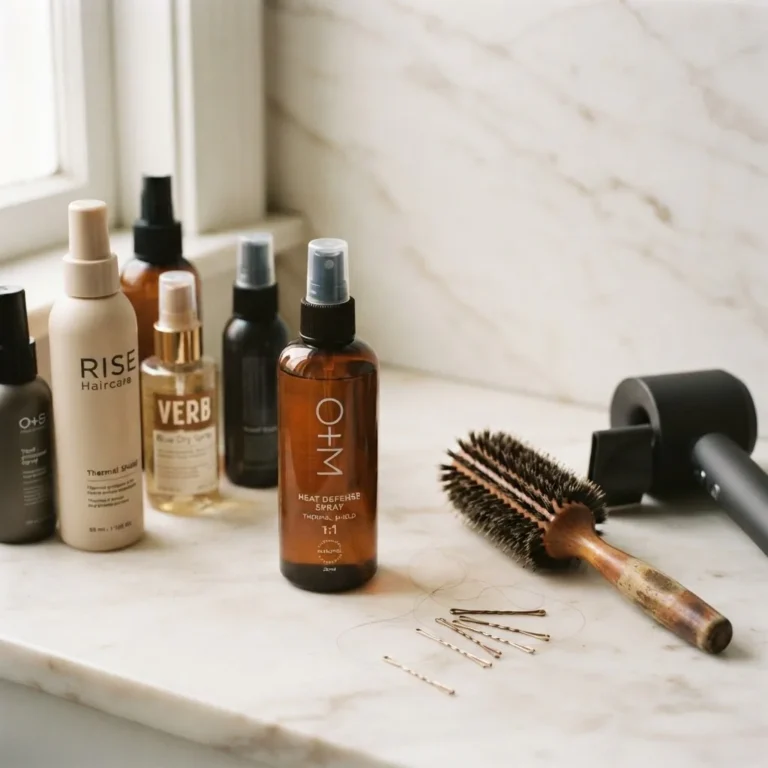
And please, please use a heat protectant. Not as an afterthought but as the first step every single time. More on that when we get to the flat iron section.
The Multi-Stylers: The Viral Stars of the Moment
H3: Dyson Airwrap Multi-Styler (~$599)
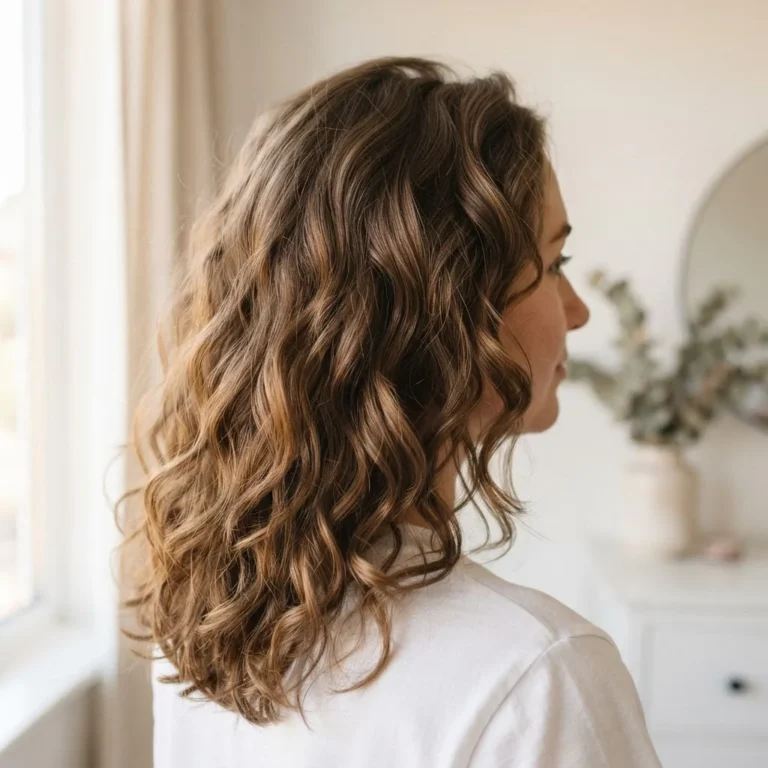
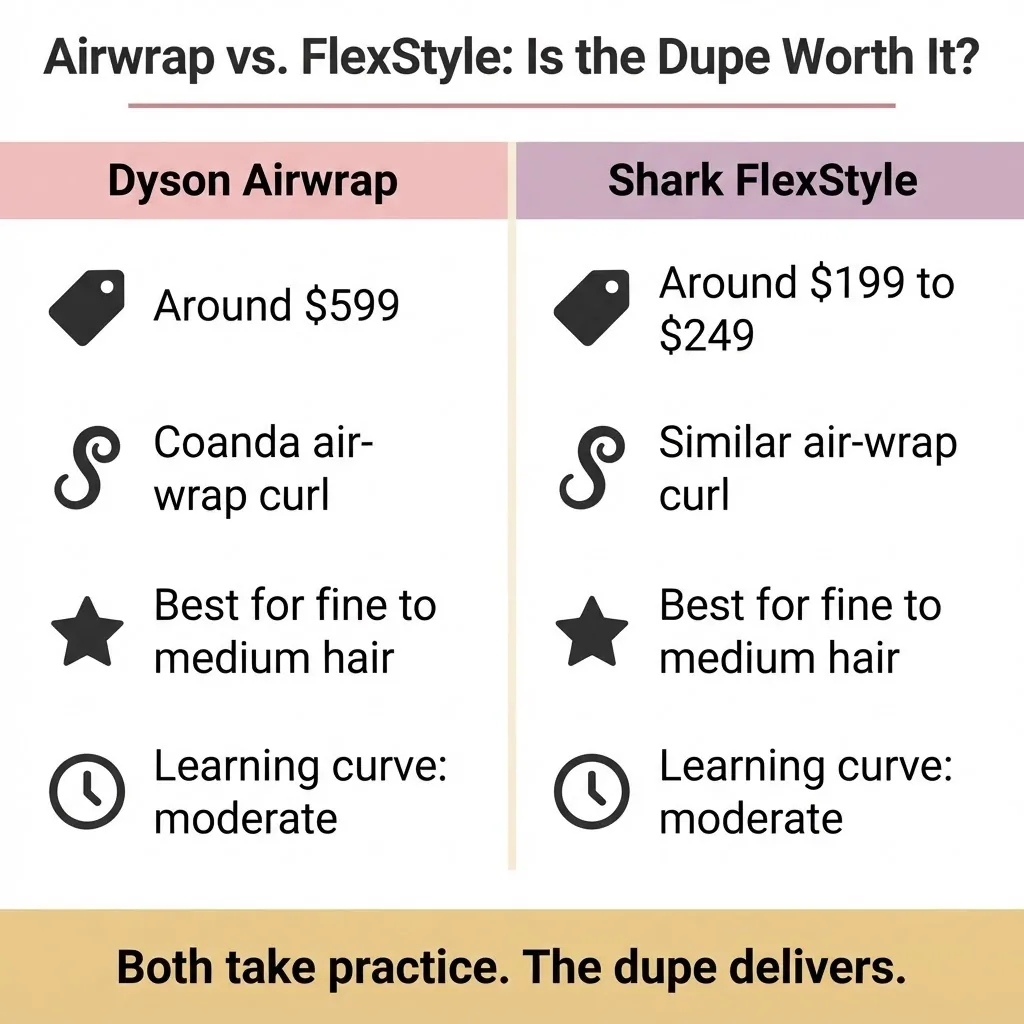
The Airwrap is probably the most pinned hair tool of the last four years, and for a reason. It uses the Coanda effect, which is basically the science of air naturally following a curved surface, to wrap your hair around the barrel without the need for clamps or manual wrapping. The result is softer, more natural waves or curls with significantly less direct heat than a traditional curling iron.
Here’s my honest take: it is genuinely impressive, especially for fine to medium hair. Thick hair can be more hit-or-miss. But the learning curve is real. This is not a “take it out of the box and immediately nail it” tool. Most people need two to three weeks of practice before it clicks. The attachments can also feel overwhelming at first. If you are a complete beginner who has never styled their hair beyond a basic blowout, the Airwrap might frustrate you more than it helps in the first month.
If the price makes you wince (and $599 is a serious investment), the Shark FlexStyle at around $199 to $249 is consistently the runner-up in head-to-head comparisons. It uses a similar air-wrap mechanism, dries as a traditional blow dryer too, and reviewers across platforms repeatedly note that the curls are nearly identical in quality to the Dyson at less than half the price. The T3 Aire 360, also in the $250 range, is another strong alternative, particularly praised for being gentler on fine or weakened hair.
Best for: fine to medium hair, people who want soft waves and a blowout look from one tool, anyone willing to practice.
Not ideal if: your hair is very thick and coarse, you want something mastered in five minutes, or you’re buying on a tight budget.
H3: Revlon One-Step Volumizer Plus (~$35 to $45)
This is the one I recommend to almost every beginner without hesitation. The Revlon One-Step combines a blow dryer and a round brush into one tool, so instead of juggling two things while your arms give out, you just use this like a normal brush. Pull it through your hair section by section while it dries, and you get volume, a slight bend, and a polished finish in about ten to fifteen minutes.

What makes it beginner-friendly is that the motion is intuitive. You’re essentially just brushing your hair. There’s nothing to clamp, no technique to master, no settings to overthink. It grips fine hair well without slipping, and it’s gentle enough that most people with color-treated hair use it regularly without issues.
At around $35 to $45, it is a genuinely excellent tool that reviewers with all hair textures consistently recommend as the best entry point into at-home blowouts. It does not replace a full professional blowout if your hair is very thick or very long, but it gets you surprisingly close. Use it on medium heat, work in sections, and keep the brush moving rather than holding it in one spot.
Best for: beginners, fine to medium hair, anyone wanting a quick daily blowout, people on a budget.
Hair type note: if your hair is very thick, this will still work, but you’ll need to section more carefully and accept that it may take a few extra passes.
The Curling Tools: From Effortless Waves to Classic Curls
H3: Beachwaver Rotating Curling Iron (~$100 to $130)
Standard curling irons are actually more technique-dependent than beginners expect. You have to wrap the hair yourself, hold the right tension, figure out which direction to curl for face-framing pieces vs. back sections, and not burn your fingers in the process. I have seen more than a few first-timers come out of a curling iron attempt with beautiful curls on one side and a slightly singed section on the other.
The Beachwaver takes the wrapping motion out of the equation by rotating the barrel for you. You clamp, hold, press the button, and the iron does the rest. Stylists I’ve talked to note that this dramatically reduces the kinking and uneven curl that beginners struggle with, because the tension and direction are mechanically consistent rather than dependent on your hand coordination.
It is not the cheapest option at around $100 to $130, but it is a solid mid-range investment for anyone who has struggled with standard curling irons and wants reliable results. The results lean toward bouncy, polished curls rather than the undone wave aesthetic, so keep that in mind based on the look you’re going for.
Best for: beginners who want defined curls, people who have burned themselves or gotten kinks with traditional curling irons, medium to thick hair.
Fine hair note: use the lowest heat setting (around 280 to 300°F) and do not hold too long. The rotating mechanism means the tool stays in contact with your hair for several seconds, which is more than enough heat for fine strands.
H3: Conair Xtreme Ceramic Hot Rollers (~$40 to $50)
Hot rollers are having a serious comeback, and they deserve it. What makes them genuinely useful is that they are almost entirely hands-off after you set them. You heat the rollers, roll them into sections of your hair, clip, and go do your makeup for fifteen minutes. When you take them out, you get voluminous, bouncy waves with a softness that curling irons often can’t replicate.
They’re also uniquely gentle on your hair compared to other hot tools because the barrel is not in sustained direct contact with a single section of hair at a high temperature. The heat is gentler and more distributed. Reviewers consistently describe the result as “bouncy and natural-looking” rather than stiff or overdone.
The Conair Xtreme Ceramic Hot Rollers at around $40 to $50 are the budget-friendly entry point that editorial reviewers repeatedly call out as overperforming for the price. They heat up quickly, the clips hold well, and the ceramic coating helps prevent frizz.
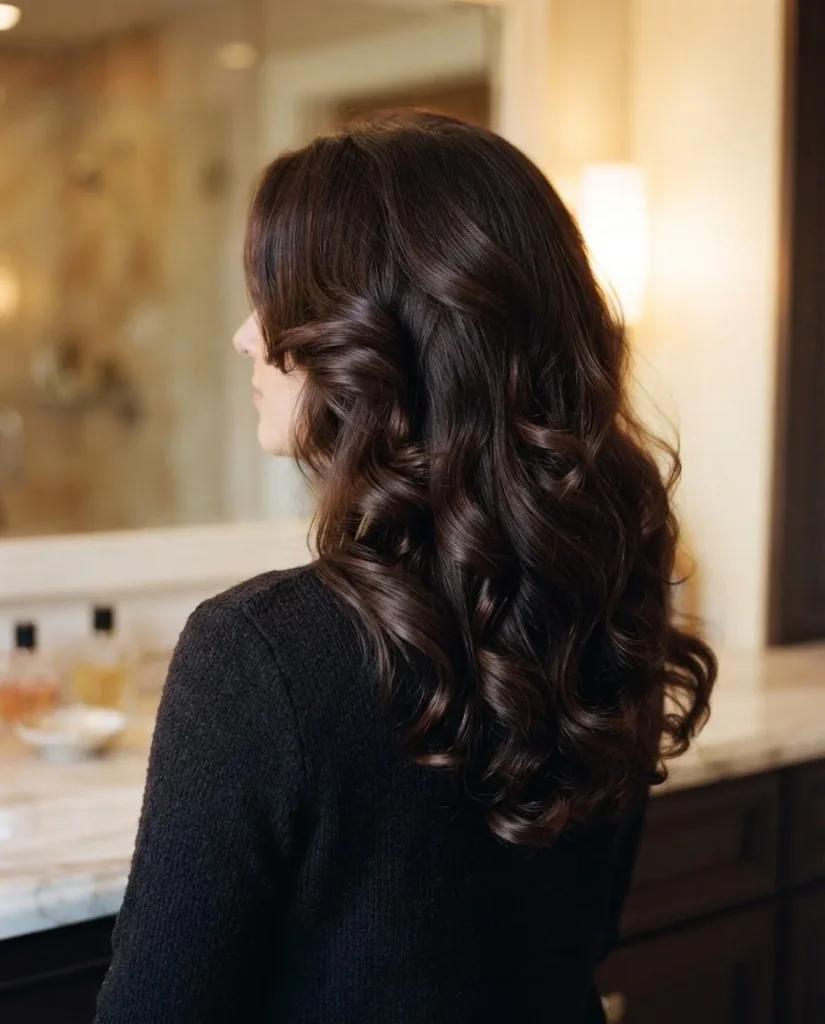
This is also a tool that adapts beautifully to both fine and thick hair, though fine-haired people should let them cool completely before unrolling for maximum staying power.
Best for: anyone who wants volume, wave texture, or a classic set look, beginner-friendly once you get the rolling technique down, great for getting ready while multitasking.
Texture note: works on all hair types. Wavy and curly hair will get beautiful definition with this method if you prep on stretched, smooth hair.
The Heatless Option: Because Your Hair Deserves a Break
H3: Kitsch Satin Heatless Curling Rod (~$14 to $20)
I am a little evangelical about heatless curlers because I think they are underrated in the viral tool conversation. The Kitsch set, specifically, has built a loyal following among fine-haired readers in particular, with many noting that their hair holds curls with this method better than it does with actual hot tools.
Here’s the basic idea: you wrap damp hair around a foam rod, sleep on it, and wake up with waves or curls. The actual curl science here is the same reason a hair set has worked for decades. When hair dries in a bent, wrapped position, the hydrogen bonds in the hair structure set in that shape, and then stay there until humidity or water disrupts them. No heat involved at all.
The independent review site The New Knew has a solid before-and-after walkthrough of what the Kitsch heatless curls actually look like on real hair, including notes on what does and does not work on different textures, which is worth a read if you are on the fence. The consensus across Reddit’s r/finehair and r/Haircare is that fine hair actually benefits the most from this method because it avoids the heat that fine strands are most vulnerable to.
Key tips for getting this to actually work: apply to hair that is damp but not dripping wet, smooth out any tangles before wrapping, wrap tightly and evenly, and let it set for at least six to eight hours. The biggest beginner mistake is trying to rush it with slightly dry hair or partially unwrapping before the hair is fully dry.
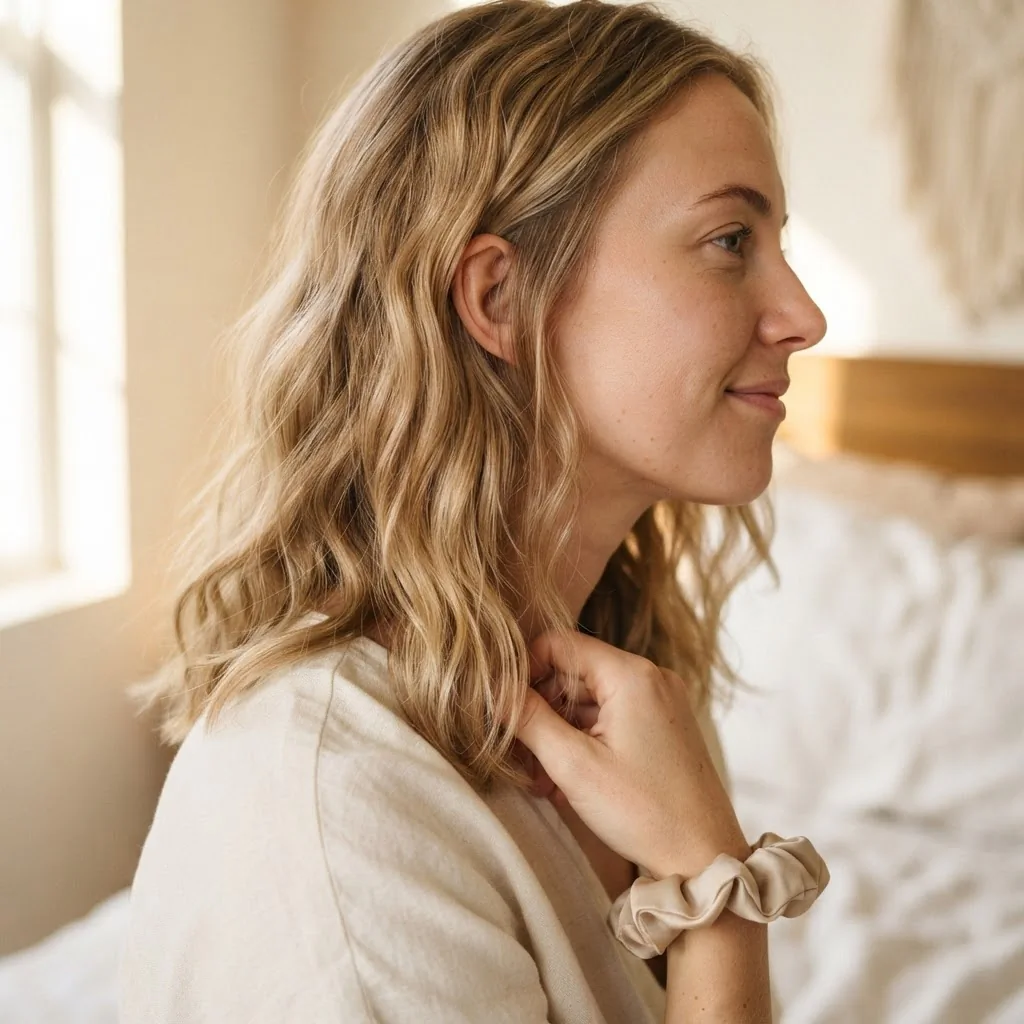
Best for: fine hair, anyone with heat-damaged or color-treated hair that needs a break, overnight styling lovers, people who want effortless waves without any morning effort.
Curly hair note: if your hair is naturally curly or coily, heatless methods will enhance your natural pattern rather than create a wave from scratch. Try it on a stretched blowout for a different texture result.
The Everyday Essentials: The Unsexy Tools That Do the Most
H3: The Wet Brush Original Detangler (~$8 to $12)
I know it’s not glamorous. But the amount of hair people lose from aggressively brushing wet hair with the wrong brush is genuinely heartbreaking, and I say that from watching clients come into the salon with noticeable breakage patterns that traced directly back to this. Wet hair is fragile. The hydrogen bonds that give it structure are temporarily disrupted, which means it stretches and snaps much more easily than dry hair.
The Wet Brush’s IntelliFlex bristles are designed to flex through knots rather than drag on them. It’s not the only detangling brush that does this, but it is consistently the most recommended at the drugstore price point, and it is legitimately effective across all hair types including thick, curly, and coily hair. It’s under $12 and it reduces breakage. That alone makes it worth including in any list of tools that are worth the hype.
Best for: literally everyone. Especially important for naturally curly, coily, or fine hair.
H3: A Quality Heat Protectant: Not a Tool, But the Most Important Item on This List
Hear me out. No heat styling tool, no matter how advanced or how viral, protects your hair from heat. The tool is the source of the heat. The thing that protects your hair is what you put on it before you pick up that tool.
Heat protectants work by creating a temporary barrier on the hair shaft that slows heat transfer and reduces moisture loss during styling.
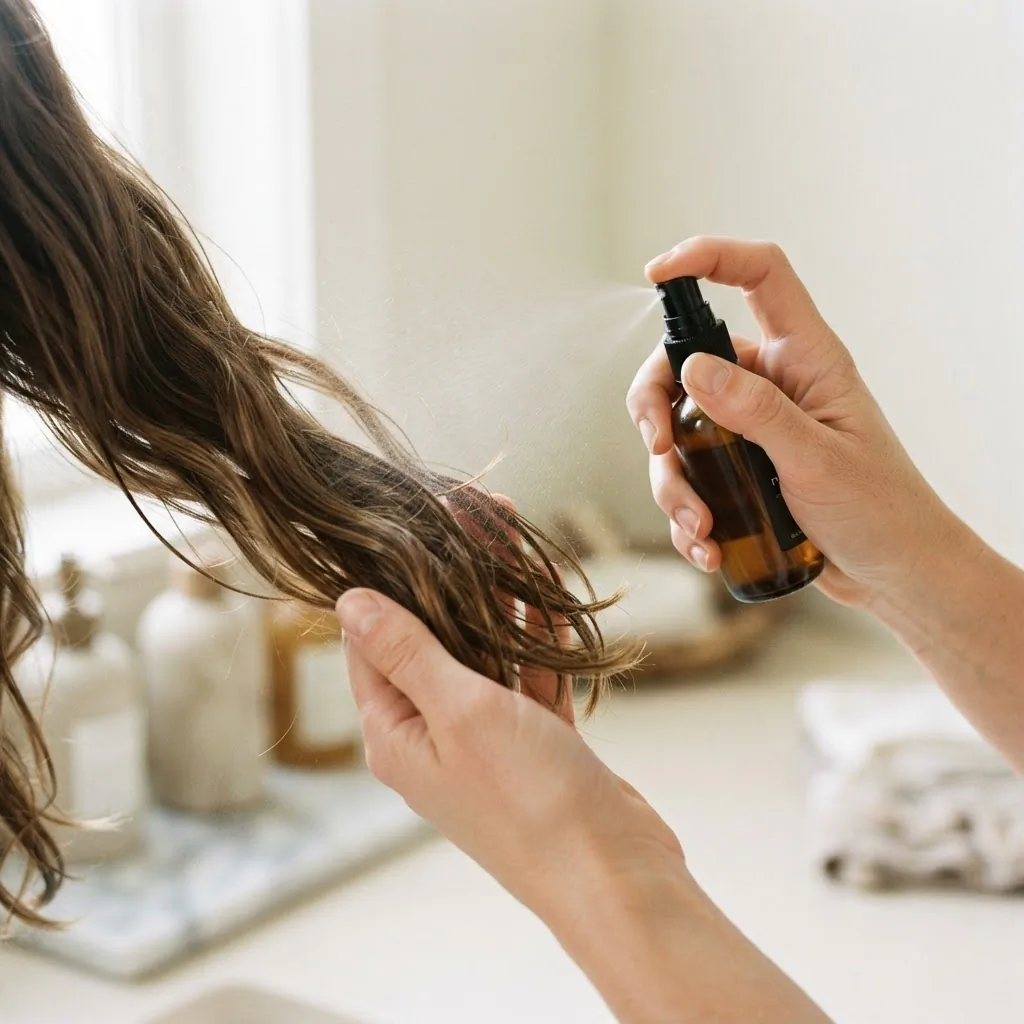
The L’Oréal Paris editorial team has a clear explanation of how heat protectants work and exactly how to apply them for full coverage, which is really useful if you have always been a “spray it vaguely in the direction of your hair” person (I was too, once).
The honest thing is that a $10 drugstore heat protectant used consistently and correctly will do more for your hair health than a $600 styling tool used without one. My standard recommendation for a budget-friendly option is the TRESemmé Thermal Creations Heat Tamer Spray (around $5) or the L’Oréal Paris EverPure Sulfate-Free Weightless Prep Spray (around $10). Both consistently get strong reviews from users with color-treated and fine hair, which are the two types most vulnerable to heat damage.
H3: A Good Flat Iron/Straightener
No list of viral hair tools is complete without a straightener, even though the flat iron is a category where the hype varies wildly. The GHD and the Dyson Corrale get the most attention in the premium space, but you can genuinely get professional-quality results with a budget option if you use it correctly.
The most important factor is consistent plate temperature. Cheap flat irons fluctuate in heat, which means you end up going over the same section multiple times to get a smooth result, which is more damaging than one controlled pass with a stable tool. Look for a flat iron with digital temperature control, ceramic or tourmaline plates, and a heat-up time of 30 seconds or less.
For flat irons specifically, the temperature-by-hair-type rule is more critical than it is for any other tool. Fine or color-treated hair should never exceed 350°F, and 300 to 325°F is usually plenty. Medium hair does well at 350 to 375°F. According to the AAD’s healthy hair tips, excessive heat from flat irons used daily is one of the most common contributors to visible hair damage over time, so even if you have thick hair that “can handle” higher temperatures, the healthier habit is to use the lowest setting that still gives you the result.
Reliable budget picks that stylists repeatedly recommend: the Conair Infiniti Pro Tourmaline Ceramic (around $25 to $35) and the BaBylissPRO Nano Titanium (around $60 to $80 for a genuine professional-grade option). Premium picks with notable cult followings include the GHD Chronos (around $299) and the Tymo Ring Comb Straightener for anyone who wants a dual-purpose option for straightening and detangling simultaneously.
Quick Reference: Which Tool Should You Buy First?
If you are starting from zero and want to know where to put your money, here’s how I’d prioritize by budget.
Under $25: Start with the Wet Brush and a drugstore heat protectant. Genuinely. These two unsexy items will protect the hair you already have while you figure out the rest.
Under $50: Add the Revlon One-Step Volumizer. At around $35 to $45, it is the most versatile single tool for beginners and the fastest way to get a polished blowout look at home without a skill barrier.
Under $100: Add the Conair Xtreme Hot Rollers or the Kitsch Heatless Curling Set depending on your lifestyle. If you like low-effort overnight results, go heatless. If you love volume and a classic wave, go hot rollers.
$100 to $200 range: The Beachwaver is worth it if curls are your thing and standard curling irons have frustrated you. The Shark FlexStyle enters this bracket too and gives you Airwrap-adjacent results at a fraction of the Dyson price.
If you have $600 burning a hole in your pocket: the Dyson Airwrap is genuinely good, especially for fine to medium hair, but go in knowing it takes practice. If you want the result without the price tag, the Shark FlexStyle at $199 to $249 is the dupe that stylists and editors consistently land on.
The Bottom Line
Viral hair tools are not magic. The right ones genuinely make styling easier, faster, and more beginner-friendly. But the “right” one for you depends on your hair type, your skill level, your budget, and the looks you’re actually trying to create. No single tool is the answer to every styling goal.
My honest shortlist for most beginners is this: the Revlon One-Step for your everyday blowout, the Kitsch heatless rod for the nights you want waves without the heat, a solid heat protectant used every time without exception, and the Wet Brush for detangling. That four-item lineup costs under $80 combined and will genuinely level up your hair routine more than most expensive individual tools.
Everything else on this list is a great upgrade when you are ready for it. But start with the tools that set you up for success, not just the ones that look the prettiest on a shelf.